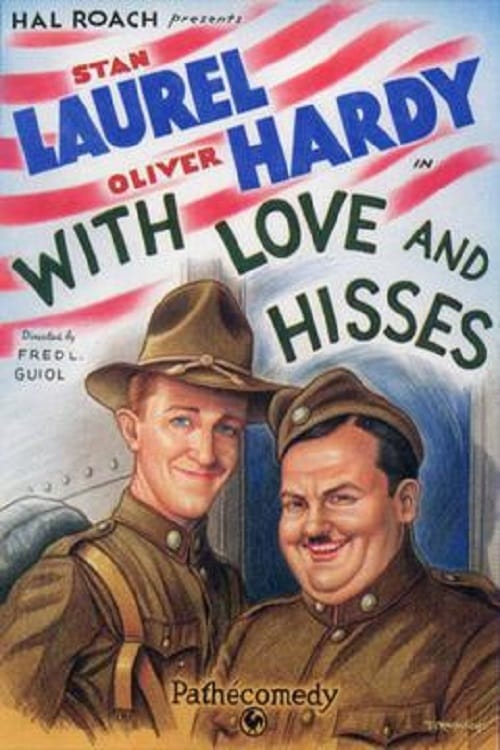
With Love and Hisses
1927
No user ratings available yet
Representation score: 1.1 out of 10

Representation Score
Fair
1928
Director
Jean Renoir
Runtime
87 minutes
Average Rating
No ratings yetNew Showbiz Analysis
Jean Renoir’s comedy uses a military setting to explore class conflict and the breakdown of social hierarchies. By pairing a wealthy poet with a servant, the film highlights the tension between personal identity and institutional constraints. The work questions traditional masculine archetypes and the effectiveness of Western institutions. However, it remains limited by the demographic norms of the time and lacks explicit characters who reflect more than one aspect of diversity. Ultimately, the film serves as a humanist exploration of social fluidity, even if it adheres to the standard social compositions of early 20th-century cinema.
Category Breakdown
The film explores the relationship between a poet and a servant, though it doesn't explicitly show non-straight identities. It may challenge traditional masculine roles through its humorous portrayal of the poet.
The movie breaks away from the typical stoic male archetype by showing a flaky, incompetent poet. This portrayal questions the conventional idea of masculine leadership and stability in a military environment.
The production likely mirrors the demographic uniformity of 1928 French cinema. There is no indication of diverse character roles or color-blind casting in the records.
The story criticizes institutional authority by placing intellectuals and servants within a strict military hierarchy. This setup emphasizes social fluidity over reinforcing established social orders.
There is no information available to assess the portrayal of physical or neurodivergent disabilities in this work.
Present on Screen
Limited or Absent
Official Synopsis
The tale of a rich, flaky poet and his servant who both join the army and wind up in the same barracks.
1927

1926
1914

1938

1941

1930
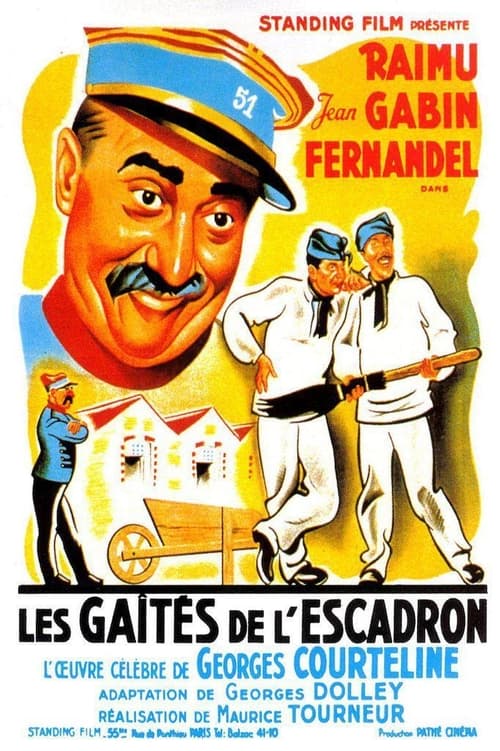
1932
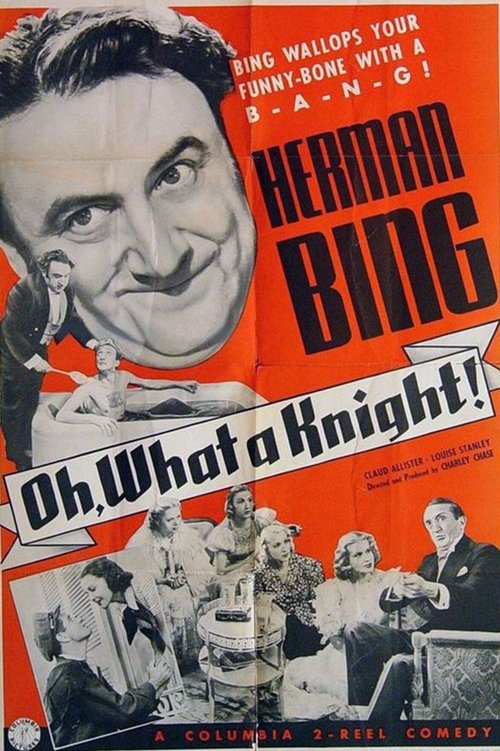
1937
No reviews yet. Be the first to share your thoughts on this movie!
Use the rating form above to leave a star rating and optional review.