Brasa Adormecida
1986
No user ratings available yet
Representation score: 3.1 out of 10
Representation Score
Limited
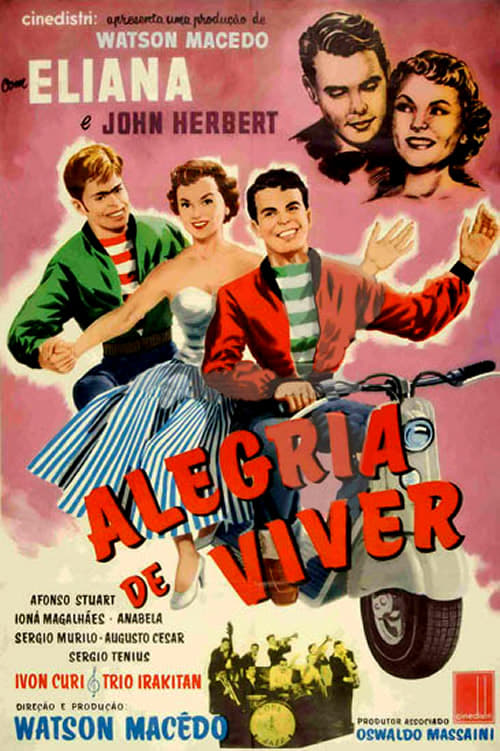
1958
Director
Watson Macedo
Runtime
99 minutes
Average Rating
No ratings yetNew Showbiz Analysis
Joy of Living is a mid-century Brazilian comedy that relies heavily on established genre clichés and traditional social hierarchies. The narrative structure prioritizes romantic entanglements and mistaken identity over any meaningful exploration of diverse identities. The film operates within the constraints of its era, reinforcing conventional social stability. While it introduces a character with a degree of independence, the central conflicts are driven by patriarchal arrangements and standard courtship patterns. Ultimately, the production lacks the intentionality required to disrupt the social or cinematic expectations of the late 1950s, resulting in a story that mirrors the status quo of its time.
Category Breakdown
The film centers on traditional romantic relationships and courtship. There is no indication of LGBTQ+ identities or critiques of the assumption that everyone is straight or cisgender.
Betty is portrayed as an independent woman, but the narrative adheres to traditional gender roles. The plot revolves around an employer arranging marriages, which does not challenge gender hierarchies.
The film follows typical demographic compositions of 1958 commercial cinema. There is no evidence of a racially diverse cast or intentional use of actors from different backgrounds.
The story upholds traditional social structures and employer-employee hierarchies. It emphasizes conventional social stability through its focus on family connections and romantic resolutions.
There is no mention of characters with visible or invisible disabilities in the film.
Present on Screen
Limited or Absent
Official Synopsis
The boss of Gilberto, an exemplary employee, wants to marry him with his daughter, Elisabeth. But her cousin, an unattractive girl, appears to meet him. Gilberto, who leads a hectic life, knows Betty, independent girl by whom one falls in love. In the end, she discovers that she is the boss's daughter.
1986

2003
1957
1958
1941

1950
1955
1960
No reviews yet. Be the first to share your thoughts on this movie!
Use the rating form above to leave a star rating and optional review.