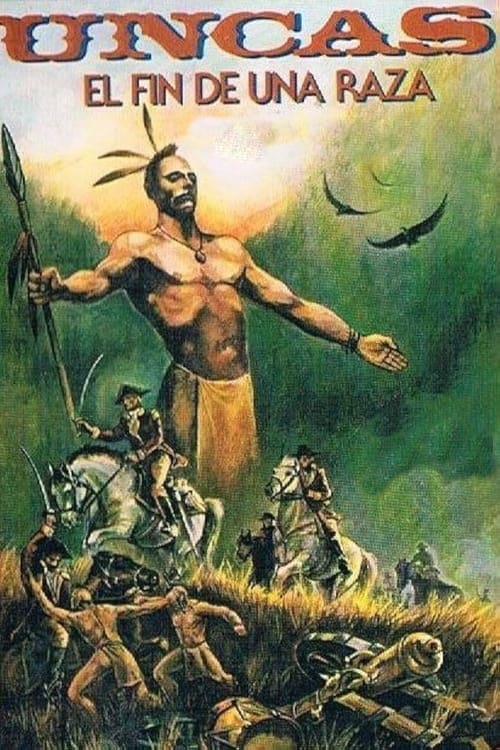
Fall of the Mohicans
1965
No user ratings available yet
Representation score: 2.6 out of 10
Representation Score
Limited
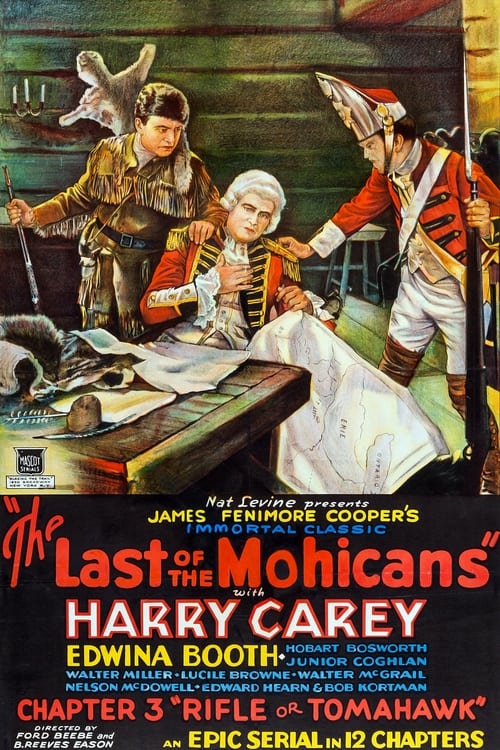
1932
PassedDirector
Ford Beebe, B. Reeves Eason
Runtime
231 minutes
Average Rating
No ratings yetNew Showbiz Analysis
This 1932 adventure film adheres to the cinematic conventions of its time, reinforcing existing social and gender hierarchies. The narrative structure does not challenge these norms. While the inclusion of Indigenous leads provides some diversity, the storytelling relies heavily on colonial-era archetypes. The conflict is framed through established clichés of heroism and villainy. Ultimately, the film serves as a traditional frontier tale, prioritizing masculine roles and kinetic movement over nuanced representation or social critique.
Category Breakdown
The film follows the conventions of 1932 and does not include any LGBTQ+ characters or narratives.
The narrative emphasizes masculine roles through its focus on frontiersmen and combatants. Women play secondary or domestic roles within this traditional hierarchy.
Indigenous characters Chingachgook and Uncas are central to the story, but the plot relies on colonial-era stereotypes of noble versus savage archetypes.
The film centers on Western expansion and frontier survival without critiquing Western institutions or presenting anti-Western perspectives.
There are no characters with visible or invisible disabilities, nor are any used as plot devices.
Present on Screen
Limited or Absent
Official Synopsis
Natty Bumppo, known as Hawk-Eye, is a frontiersman in the American wilderness. Together with his Indian friends Chingachgook and Uncas, he fights battles against nefarious white soldiers as well as the vicious Indian Magua and his cohorts.
1965
1950
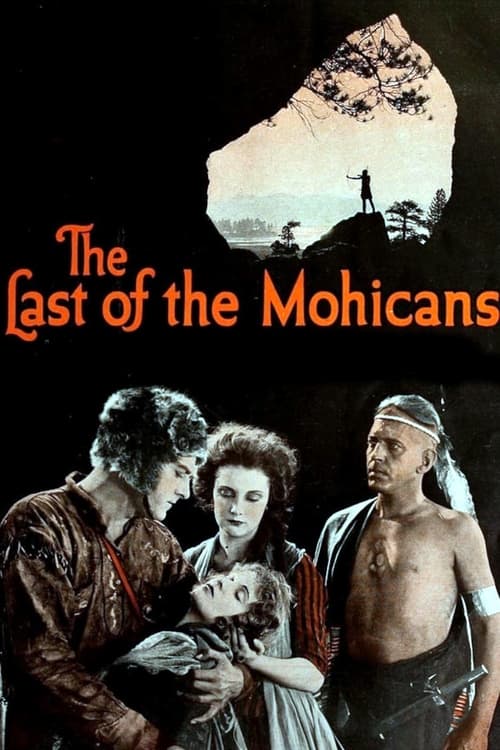
1920
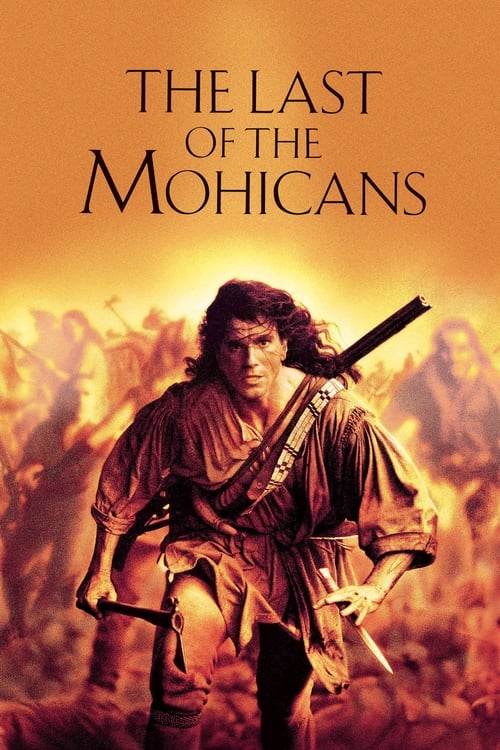
1992

1952
1934
1921

1939
No reviews yet. Be the first to share your thoughts on this movie!
Use the rating form above to leave a star rating and optional review.