
Burning Souls
2014
No user ratings available yet
Representation score: 5.2 out of 10
Representation Score
Fair
2017
Director
Esther Gronenborn
Runtime
0 minutes
Average Rating
No ratings yetNew Showbiz Analysis
The film is a powerful historical drama that critiques institutional corruption. By focusing on a woman's struggle against a predatory state, it provides a deep look at how medical and legal systems were used to silence dissent and strip individuals of their freedom in post-war Germany. While the historical setting restricts racial and LGBTQ+ diversity, the film excels in its portrayal of female resilience and the misuse of psychiatric diagnoses. It serves as a critical examination of how authority can be used to suppress individual rights.
Category Breakdown
The film is set in a post-war period where everyone is assumed to be straight. It does not include any LGBTQ+ characters or stories that question social norms through a queer perspective.
The story focuses on Margaret Oelkers, a woman navigating a male-dominated system. It challenges traditional stereotypes by showing male authority figures as morally corrupt.
Set in 1948 Germany, the film reflects the homogeneous demographics of the time. The setting does not include diverse racial backgrounds.
The narrative critically examines Western institutions and the social hierarchy from the Nazi era. It portrays state and medical establishments as corrupt and predatory.
The film highlights the misuse of psychiatric diagnoses for social control. It avoids portraying people with disabilities as inspirational, focusing instead on how they are systematically victimized.
Present on Screen
Limited or Absent
Official Synopsis
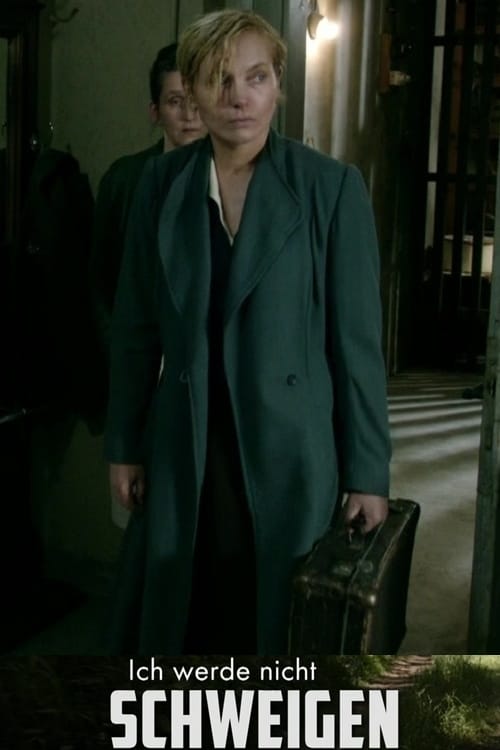
TV post-war drama about a gruesome chapter of the Nazi era. Nadja Uhl reveals "wild" euthanasia in psychiatry. Oldenburg, 1948: For Margaret Oelkers (Uhl) and her two little sons, the pension is not enough as a war-wittwe behind and in front. But the authorities are working hard, not even because of their lack of credentials on the employment of their killed in the war. After an energetic appearance at the office, she is briefly put into the psychiatry of the Wehnen nursing home as a trainee. The consequences are bitter: one attests to their schizophrenia, takes away the children and brings them to the sister in the country. For a year, Margarete was kept in the hospital against her will, and forced to do so with electric shocks. After her release, she was placed under the guardianship of her neighbor Erich Windhorst (Martin Wuttke), a man with an SS past...
2014

2016

2017

2015
2014

2020
2014

2001
No reviews yet. Be the first to share your thoughts on this movie!
Use the rating form above to leave a star rating and optional review.