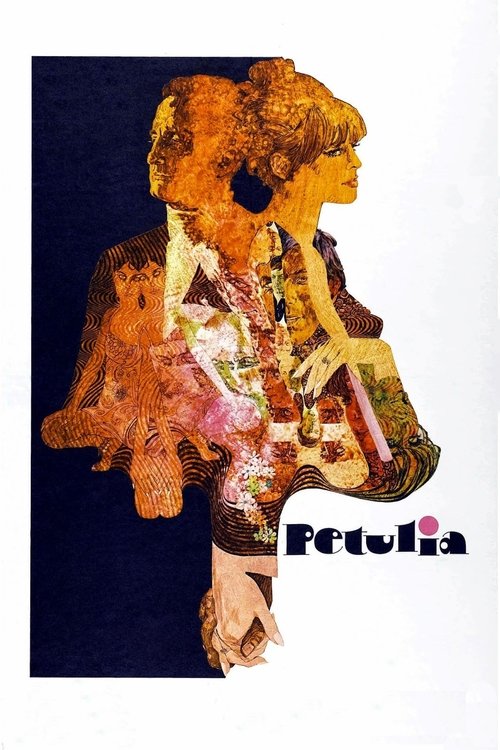
Petulia
1968
No user ratings available yet
Representation score: 5.2 out of 10
Representation Score
Fair
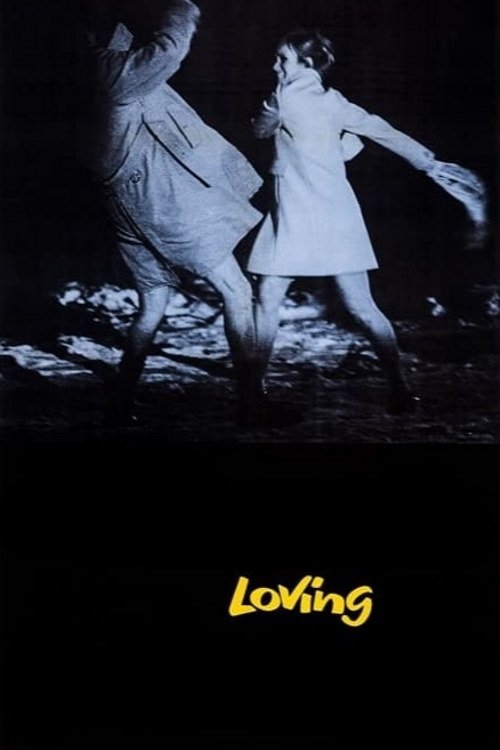
1970
RDirector
Irvin Kershner
Runtime
89 minutes
Average Rating
No ratings yetNew Showbiz Analysis
Loving serves as a powerful historical critique that uses a personal romance to challenge systemic power structures. It goes beyond typical romantic clichés to explore identity-based struggles against institutional oppression. The film's primary strength lies in its portrayal of a biracial couple facing legal battles, effectively challenging the authority of Jim Crow-era institutions. This actively leading portrayal of racial diversity is particularly impactful. While the film excels in critiquing racial and cultural issues, it falls short in representing LGBTQ+ individuals and those with disabilities. Additionally, the gender dynamics are somewhat constrained by the era's traditional hierarchies.
Category Breakdown
The film does not include any LGBTQ+ characters or themes. The main conflict revolves around the legality of a heterosexual, interracial marriage.
The narrative presents a nuanced view of domestic life by emphasizing the multi-layered challenges faced by the female protagonist. Mildred stands out as a central figure whose role is tested by state-imposed social boundaries.
The film offers a deep exploration of racial the way different parts of someone's identity overlap. By focusing on a biracial marriage, it challenges racial hierarchies and critiques the enforcement of anti-miscegenation laws.
The story criticizes traditional Western legal systems by presenting segregationist laws as unjust. It emphasizes personal freedom over societal conformity.
There is no significant depiction of visible or invisible disabilities within the main character arcs.
Present on Screen
Limited or Absent
Official Synopsis
Brooks Wilson is in crisis. He is torn between his wife Selma and two daughters and his mistress Grace, and also between his career as a successful illustrator and his feeling that he might still produce something worthwhile.
1968
1964
1979

1965
1967
1966

1973
1958
No reviews yet. Be the first to share your thoughts on this movie!
Use the rating form above to leave a star rating and optional review.