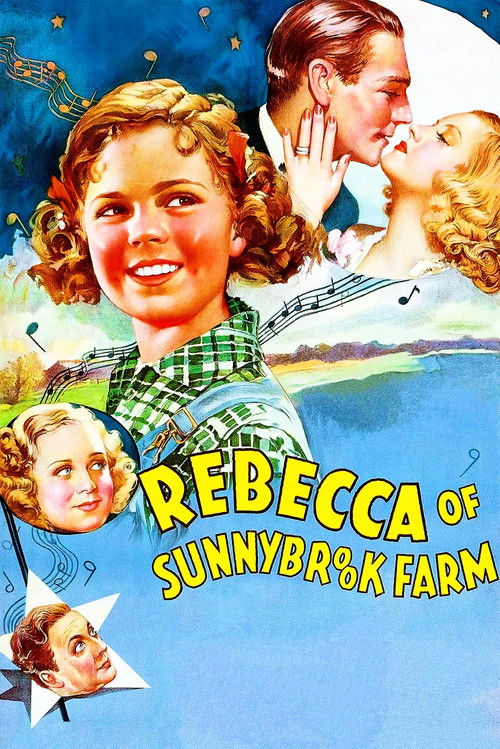
Rebecca of Sunnybrook Farm
1938
No user ratings available yet
Representation score: 0.4 out of 10
Representation Score
Minimal
1938
NRDirector
Irving Cummings
Runtime
72 minutes
Average Rating
No ratings yetNew Showbiz Analysis
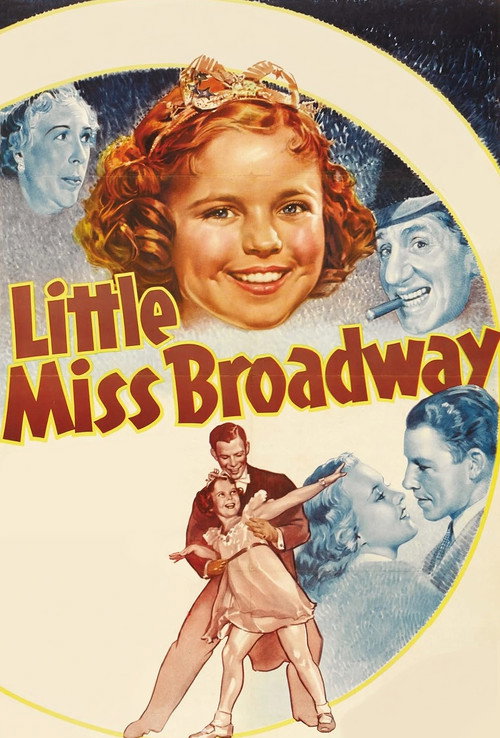
Little Miss Broadway is a classic studio-era drama that reinforces the social hierarchies of the 1930s. The plot focuses on preserving conventional family and class structures rather than challenging them. The film's narrative structure relies on established clichés, particularly regarding gender and class. While the female protagonist drives the emotional core, the underlying power structures remain patriarchal. Ultimately, the film offers minimal subversion of cultural norms, functioning as a traditional period piece that centers on restoring social stability.
Category Breakdown
The film does not include any characters with LGBTQ+ identities or non-straight relationships. It adheres to the traditional social structures of the time, assuming everyone is straight.
The story centers on a young female orphan, but her role likely follows traditional clichés of innocence. Power dynamics remain focused on male figures like the hotel owner and manager.
The production reflects the homogeneous casting standards of the late 1930s. It depicts white, Western social structures as the default norm without showing a diverse cast.
The narrative explores class tensions between entertainers and property owners. However, the focus on provisional adoption suggests a goal of restoring a traditional, stable family unit.
There is no information indicating the presence of characters with visible or invisible disabilities within the film.
Present on Screen
Limited or Absent
Official Synopsis
An orphan is provisionally adopted by the manager of a hotel populated by show business people. The hotel's owner doesn't like the entertainers and wants the girl returned to the orphanage.
1938

1937
1934
1936
1983

1935

1936
1960
No reviews yet. Be the first to share your thoughts on this movie!
Use the rating form above to leave a star rating and optional review.