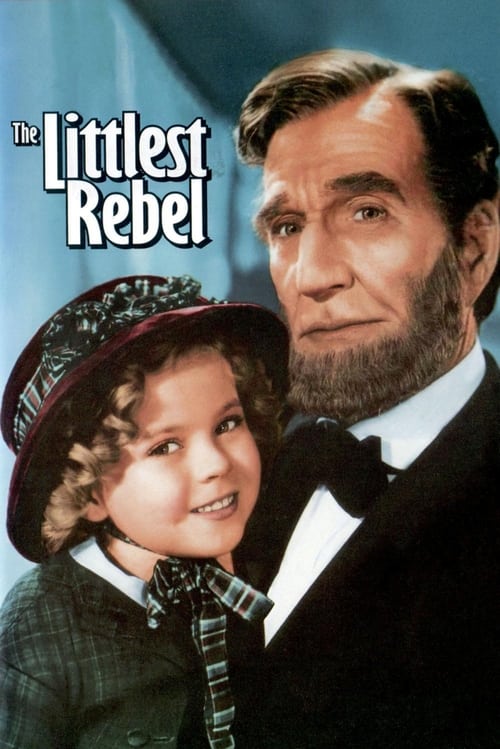
The Littlest Rebel
1935
No user ratings available yet
Diversity score: 1.4 out of 10
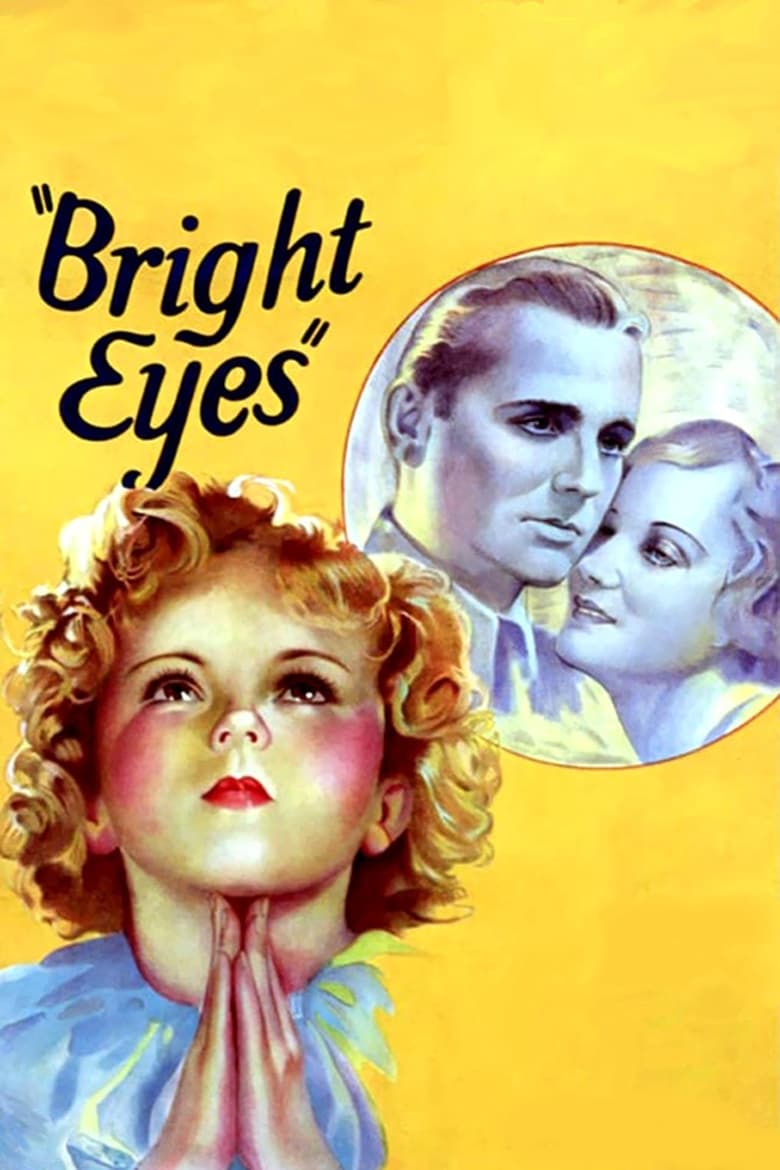
1934
NRDirector
David Butler
Runtime
85 minutes
Average Rating
No ratings yetSynopsis
An orphaned girl is taken in by a snobbish family at the insistence of their rich, crotchety uncle, even as her devoted aviator godfather fights for custody.
Overall Score
Minimal
Category Breakdown
LGBTQ+ Representation
The film contains no visible LGBTQ+ characters or non-heteronormative identities. The narrative focuses entirely on traditional familial bonds and romantic archetypes.
Gender Representation
The female lead exerts influence through charm rather than systemic agency. The story reinforces traditional femininity, positioning the protagonist as an innocent presence used to mend domesticity.
Racial & Ethnic Diversity
The cast is predominantly homogeneous, presenting a largely Anglo-Saxon social framework. There is no evidence of characters of color with significant agency.
Religious & Cultural Diversity
The narrative promotes traditional Western values and social propriety. It functions to reinforce established social structures rather than critiquing them.
Disability Representation
There are no prominent depictions of visible or invisible disabilities. Characters function within a standard framework of physical and neurotypical normalcy.
Strengths
Areas for Improvement
AI Analysis
Bright Eyes is a product of the 1930s studio system, designed to reinforce traditional social hierarchies and domestic stability. It relies heavily on the 'child star' archetype to drive a narrative centered on wholesome, conventional morality. The film lacks intersectional complexity, offering a homogeneous view of society that excludes LGBTQ+ identities, racial diversity, and disability. It serves as a historical baseline for traditionalist storytelling rather than a work that challenges existing norms. Ultimately, the film provides comfort through the preservation of the status quo, emphasizing the importance of the nuclear family and Western social structures.
1935
1957
1960

1937

1953
1940

1935

1936
1953
No reviews yet. Be the first to share your thoughts on this movie!
Use the rating form above to leave a star rating and optional review.