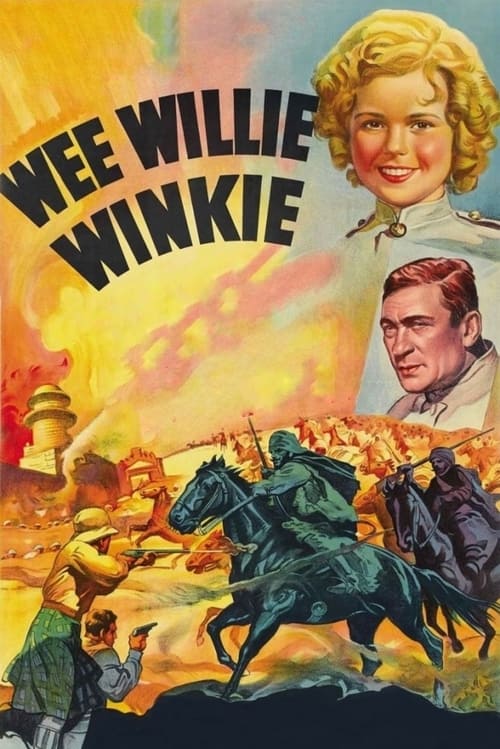
Wee Willie Winkie
1937
No user ratings available yet
Diversity score: 1.3 out of 10
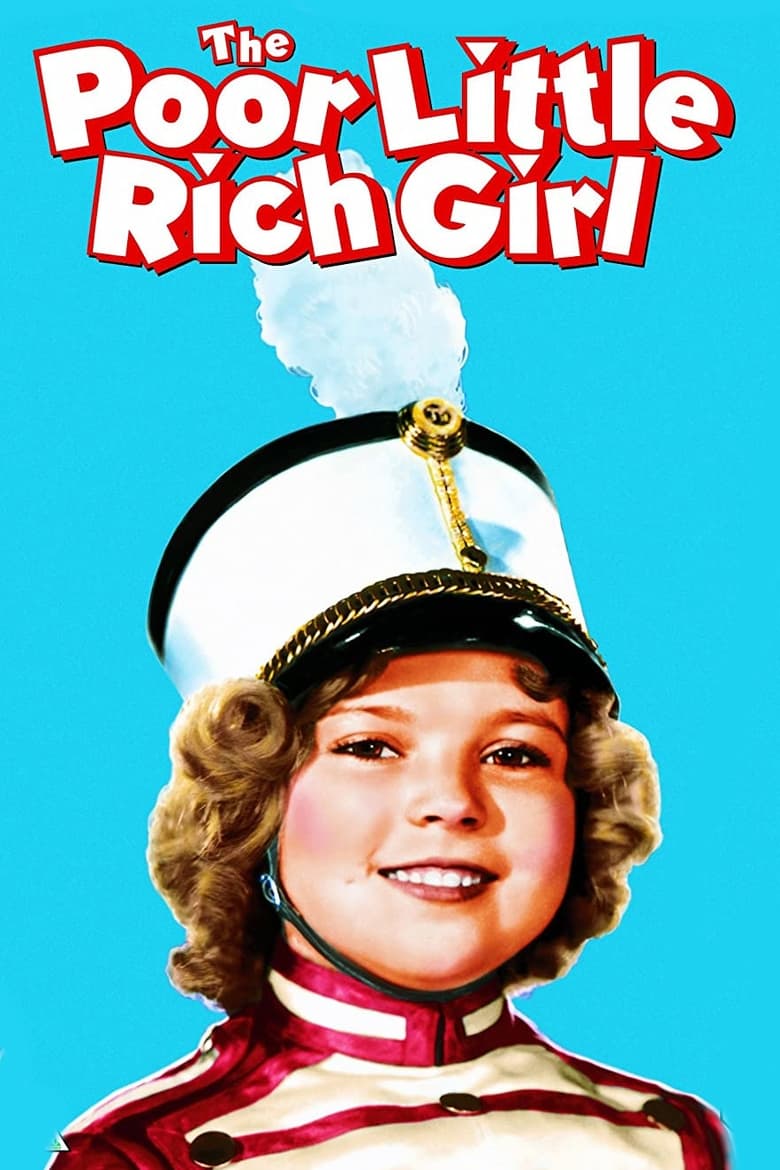
1936
GDirector
Irving Cummings
Runtime
79 minutes
Average Rating
No ratings yetSynopsis
Cossetted and bored, Barbara Barry is finally sent off to school by her busy if doting widowed soap manufacturer father. When her nurse is injured en route, Barbara finds herself alone in town, ending up as part of radio song-and-dance act Dolan and Dolan sponsored by a rival soap company.
Overall Score
Limited
Category Breakdown
LGBTQ+ Representation
The film contains no depictions of non-heteronormative identities. Character dynamics remain strictly within traditional familial and romantic archetypes.
Gender Representation
While the story centers on a young female protagonist, it reinforces period-specific gendered expectations. Female agency is largely confined to domestic or performative spheres.
Racial & Ethnic Diversity
The production reflects the homogeneous casting standards of 1930s Hollywood. The social landscape is monolithic, lacking racial or ethnic diversity in the primary cast.
Religious & Cultural Diversity
The narrative focuses on the lifestyle of a wealthy soap manufacturer within a traditional capitalist framework. It uses class distinction as a backdrop for sentimental character study.
Disability Representation
Disability is used primarily as a functional plot device. An injured nurse facilitates the protagonist's journey rather than exploring physical identity with agency.
Strengths
Areas for Improvement
AI Analysis
Poor Little Rich Girl is a quintessential product of the early studio era, prioritizing individual sentimentality over systemic or intersectional exploration. The film adheres to the social and cultural hierarchies of 1936, presenting a world defined by traditional gender roles and racial homogeneity. The narrative architecture reinforces rather than disrupts conventional expectations. It presents a stable, stratified socioeconomic order that avoids challenging Western institutions or capitalist structures. Ultimately, the film functions as a character study that operates within the standard cinematic norms of its time, offering little in the way of social disruption.
1937
1936
1938
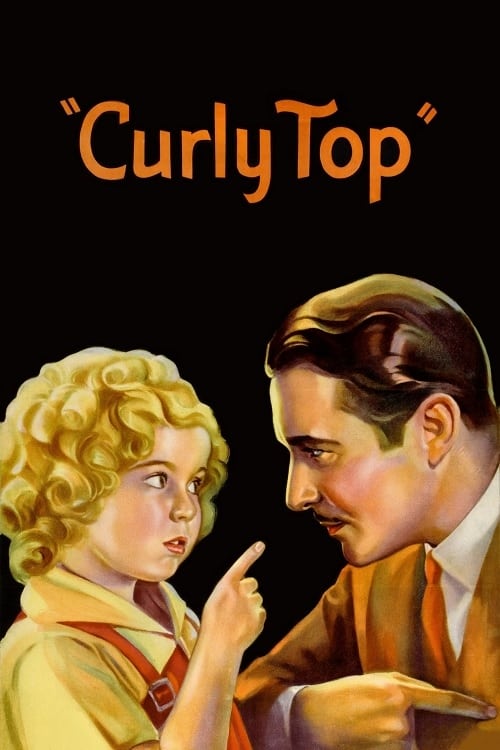
1935
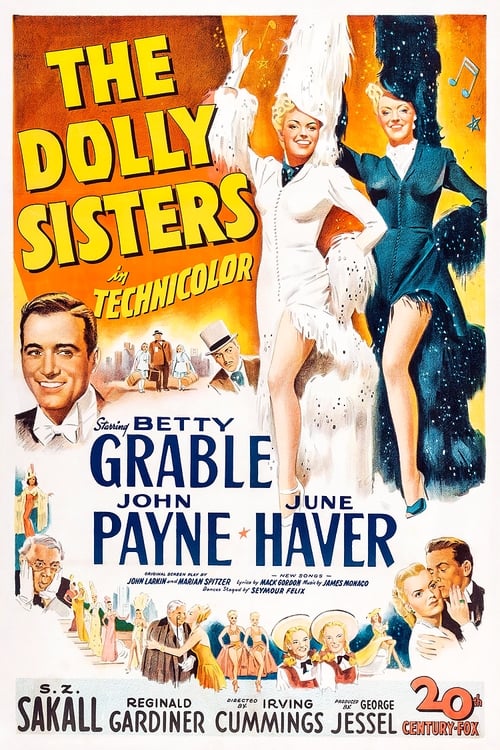
1945
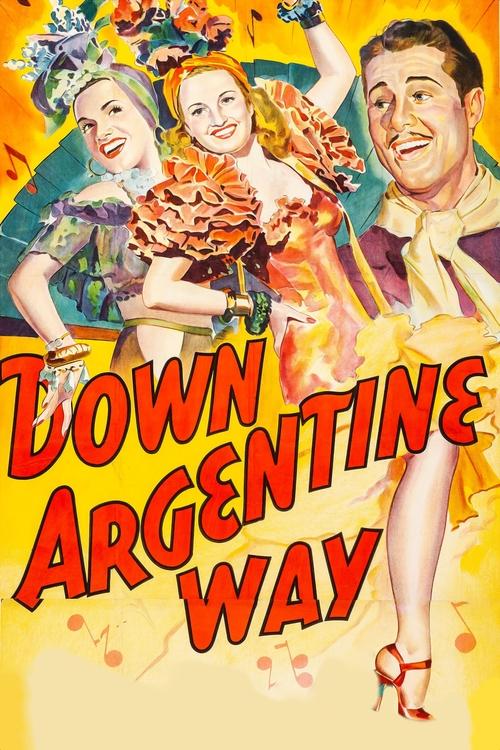
1940
No reviews yet. Be the first to share your thoughts on this movie!
Use the rating form above to leave a star rating and optional review.