A Portrait of Ga
1952
No user ratings available yet
Diversity score: 3.2 out of 10
1955
Director
Margaret Tait
Runtime
6 minutes
Average Rating
No ratings yetSynopsis
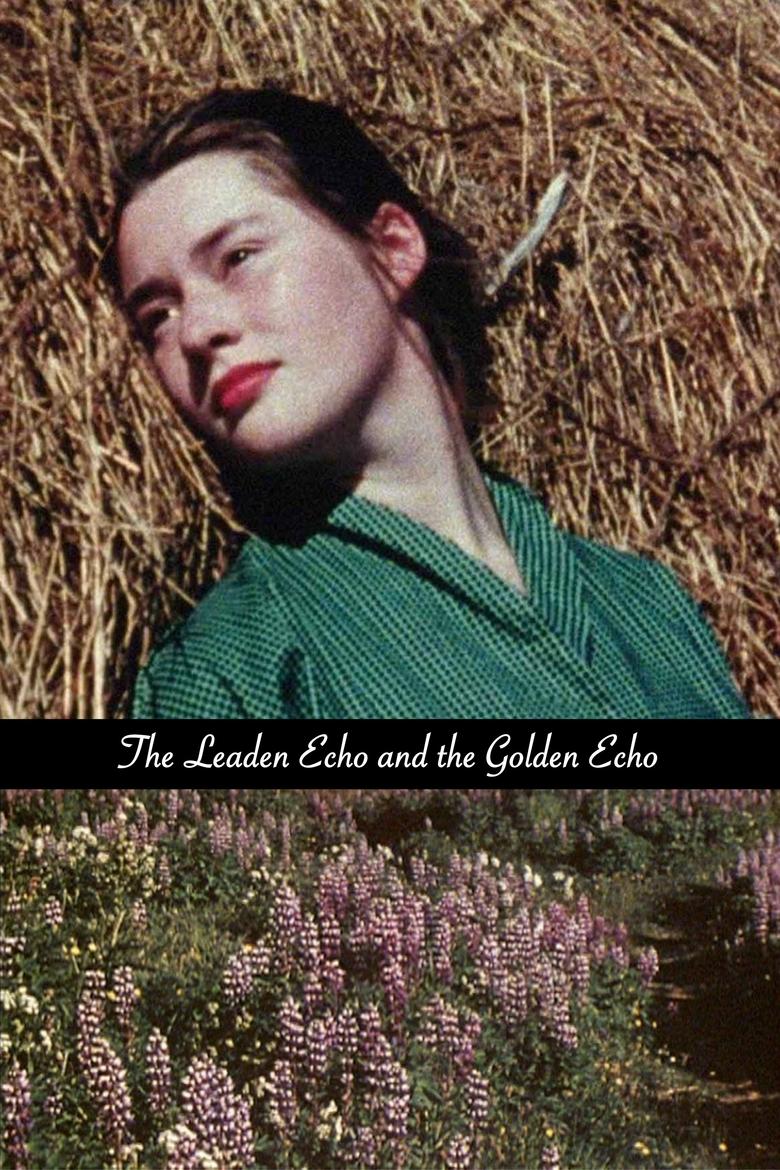
A film interpretation of the poem 'The Leaden Echo and the Golden Echo' by Gerard Manley Hopkins. Margaret Tait speaks the poem throughout the film.
Overall Score
Fair
Category Breakdown
LGBTQ+ Representation
The film functions as a poetic interpretation of Gerard Manley Hopkins' verse. It lacks explicit depictions of queer identity or same-sex intimacy, though its abstract form subtly challenges heteronormative narrative structures.
Gender Representation
Margaret Tait provides significant representation through her creative leadership. As a female director in 1955, she subverts male-dominated industry hierarchies by centering her own voice as the primary interpretive lens.
Racial & Ethnic Diversity
The documentary lacks a diverse cast or focus on racial intersectionality. It does not actively engage with non-Anglo-Saxon perspectives or racial agency within its literary focus.
Religious & Cultural Diversity
The work prioritizes subjective, poetic interpretation over didactic documentary styles. This approach avoids promoting singular, traditional moralities in favor of a sensory and spiritual response to language.
Disability Representation
There is no evidence of characters or themes addressing physical or neurodivergent disabilities within this poetic work.
Strengths
Areas for Improvement
AI Analysis
Margaret Tait’s film is a significant exercise in artistic agency, disrupting mid-century cinematic hierarchies through its experimental structure. By centering a female auteur's voice, the work challenges the era's traditional documentary expectations. However, the film's specialized focus on a specific literary text limits its broader social representation. The lack of racial intersectionality and explicit queer identity keeps the overall score in a moderate range. Ultimately, the film's strength lies in its subversion of gendered leadership rather than its breadth of social diversity.
1952
1975

1957
2006
2015
2013
1968
1972

2000
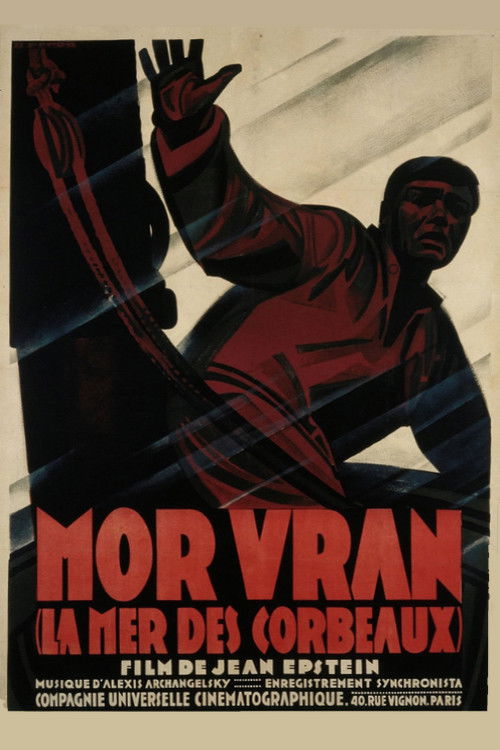
1930
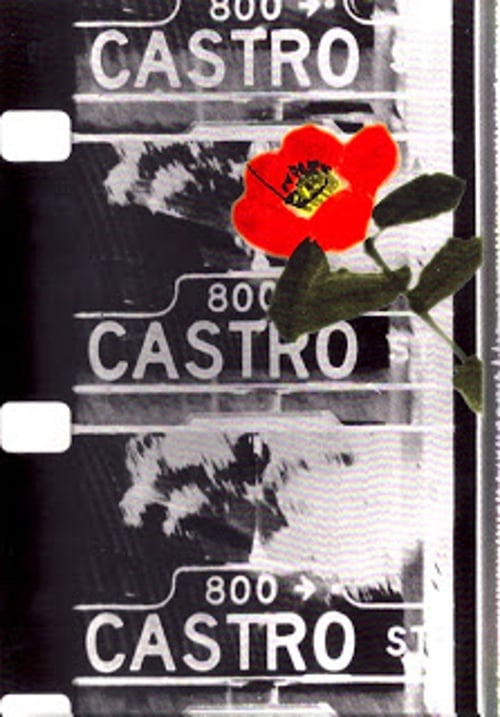
1966
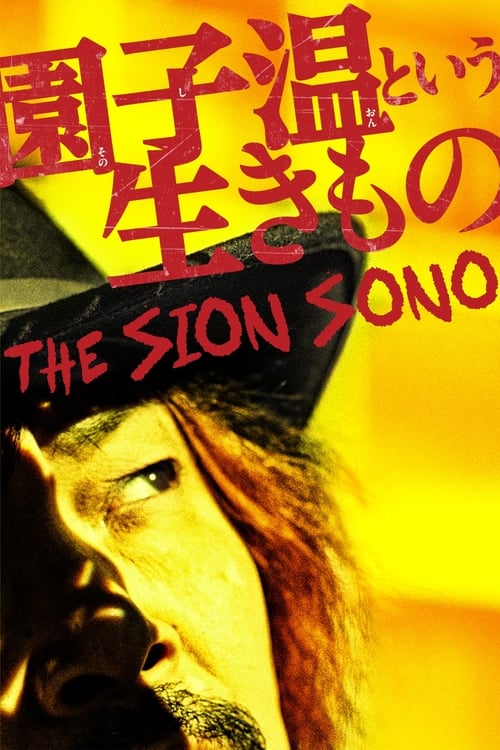
2016
No reviews yet. Be the first to share your thoughts on this movie!
Use the rating form above to leave a star rating and optional review.