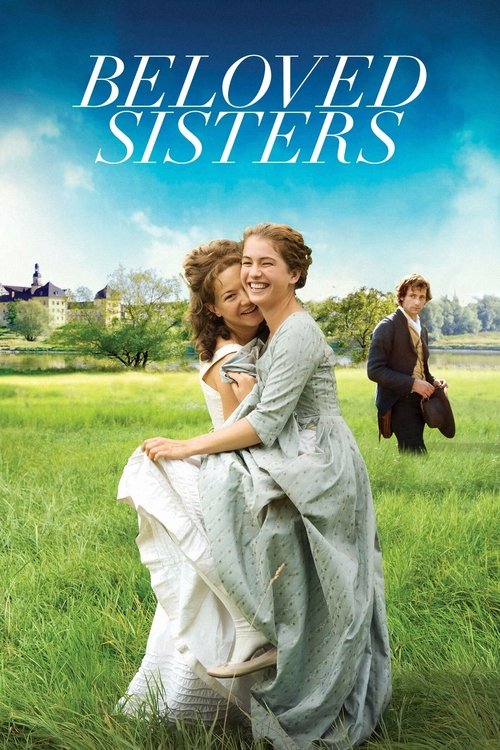
Beloved Sisters
2014
No user ratings available yet
Diversity score: 5.5 out of 10
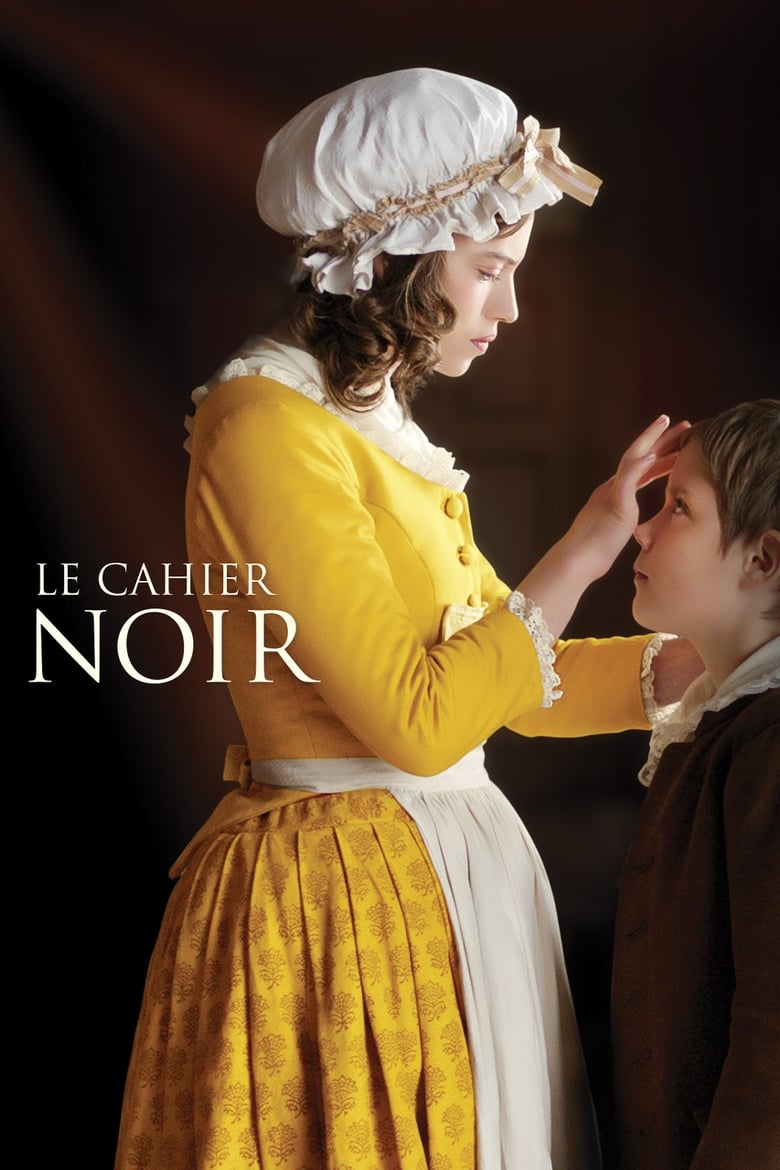
2018
Director
Valeria Sarmiento
Runtime
103 minutes
Average Rating
No ratings yetSynopsis
The story of the adventures, in the twilight of the eighteenth century, of a singular couple formed by a little orphan with mysterious origins and his young Italian nurse of a similarly uncertain birth. They lead us in their wake, from Rome to Paris, from Lisbon to London, from Parma to Venice. Always followed in the shadows, for obscure reasons, by a suspicious-looking Calabrian and a troubling cardinal, they make us explore the dark intrigues of the Vatican, the pangs of a fatal passion, a gruesome duel, banter at the court of Versailles and the convulsions of the French Revolution.
Overall Score
Good
Category Breakdown
LGBTQ+ Representation
The film focuses on a fatal passion between the central protagonists. There is no explicit evidence of queer-coded subtext or non-cisnormative identities present in the narrative.
Gender Representation
The story disrupts traditional hierarchies by centering a female perspective within a restrictive historical framework. The protagonist gains agency over her own story, subverting patriarchal constraints of the era.
Racial & Ethnic Diversity
A transnational tapestry is created through settings like Rome, Paris, and Venice. The score remains moderate due to a period-specific European focus without explicit evidence of non-white casting.
Religious & Cultural Diversity
The narrative engages with the deconstruction of institutional power. It frames the Vatican and the French Revolution as sites of corruption and intrigue rather than moral anchors.
Disability Representation
There is no discernible evidence regarding the portrayal of physical or neurodivergent disabilities within the film's narrative.
Strengths
Areas for Improvement
AI Analysis
The Black Book operates as a piece of historical revisionism that prioritizes individual subjectivity over the grandiosity of state or church institutions. By centering the female experience and the 'black book' as a tool for witness, the film challenges the patriarchal structures of the eighteenth century. While the film lacks overt LGBTQ+ representation or specific evidence of racial diversity beyond a European landscape, it succeeds in its critique of systemic power. The movement through various European capitals allows for a complex exploration of class and identity amidst political upheaval. Ultimately, the film aligns with progressive cinematic traditions by utilizing a reflective structure to examine the friction between personal agency and the convulsions of revolution.
2014
2000

1987

1993

1957

2025

1969

2012
No reviews yet. Be the first to share your thoughts on this movie!
Use the rating form above to leave a star rating and optional review.