Sissi: The Fateful Years of an Empress
1957
No user ratings available yet
Diversity score: 1.3 out of 10
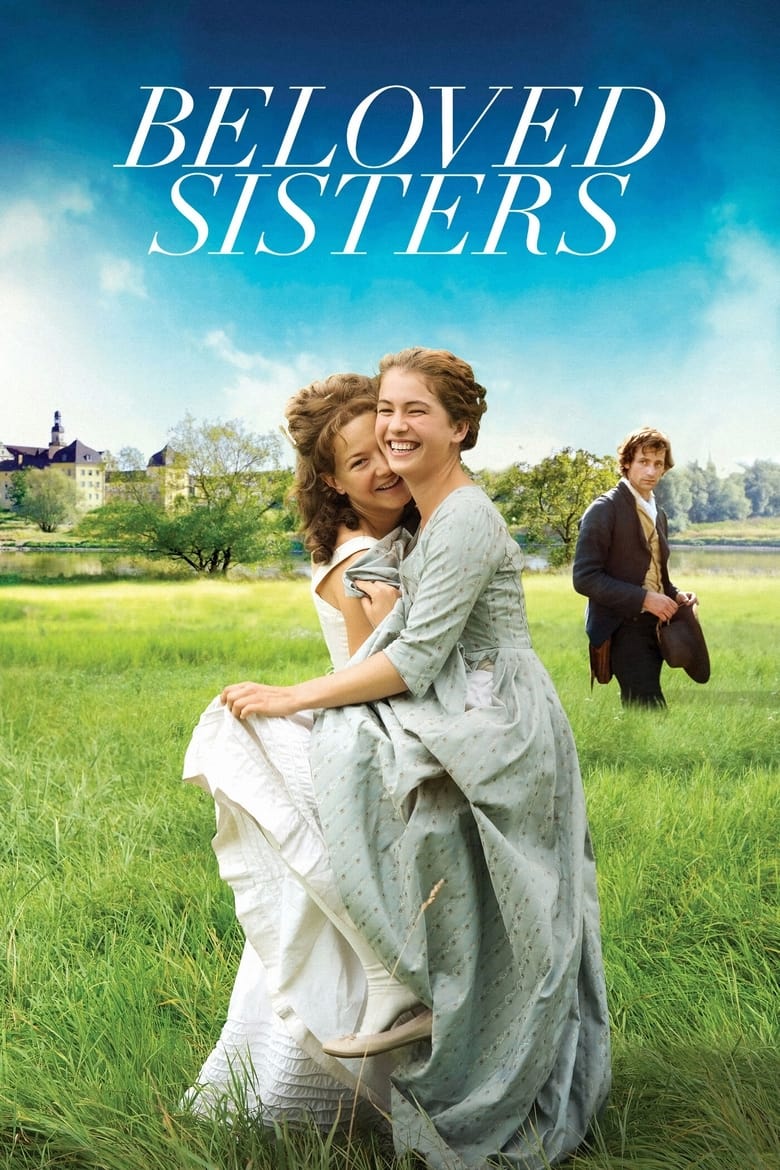
2014
NRDirector
Dominik Graf
Runtime
180 minutes
Average Rating
No ratings yetSynopsis
A love triangle forms between post-Enlightenment writer Friedrich Schiller and two sisters -- one who became his wife, and the other, his biographer.
Overall Score
Fair
Category Breakdown
LGBTQ+ Representation
The film explores intense, non-traditional female bonds and subverts domestic expectations. However, it lacks explicit depictions of same-sex intimacy or overt queer identities.
Gender Representation
The narrative grants female characters significant intellectual and emotional agency. The sisters act as primary drivers of the conflict rather than passive satellites to Schiller.
Racial & Ethnic Diversity
The cast is predominantly white and European, reflecting the historical setting. The film does not utilize race-bent casting or diverse ensemble building.
Religious & Cultural Diversity
The story critiques social and institutional constraints of the era. It prioritizes individual psychological liberation over rigid religious or state-sanctioned moralities.
Disability Representation
There are no prominent depictions of physical or neurodivergent disabilities within the narrative.
Strengths
Areas for Improvement
AI Analysis
Dominik Graf’s historical drama succeeds by shifting the focus from the 'Great Man' theory to the lived experiences of women. By centering the tension between the two sisters, the film disrupts traditional biographical tropes and prioritizes female autonomy over patriarchal milestones. While the film excels in gender representation, it remains limited by its historical setting. The lack of racial and LGBTQ+ breadth results in a lower score for intersectional diversity, despite the film's sophisticated psychological depth. Ultimately, the work functions as a meaningful deconstruction of Enlightenment-era social structures, focusing on personal truth rather than traditional social preservation.
No reviews yet. Be the first to share your thoughts on this movie!
Use the rating form above to leave a star rating and optional review.