
No Way Back
1954
No user ratings available yet
Representation score: 3.7 out of 10
Representation Score
Fair
1961
Director
Tadeusz Konwicki
Runtime
93 minutes
Average Rating
No ratings yetNew Showbiz Analysis
All Souls' Day is a surreal, non-linear exploration of memory and the boundary between life and death. Its narrative structure favors psychological subjectivity and postmodern storytelling over traditional progression. The film's low diversity scores come from its highly localized, period-specific setting in a rural Polish village. It prioritizes avant-garde, existential themes and the haunting nature of historical memory over contemporary identity-based representation. While it lacks demographic breadth, the work excels in its sophisticated use of dreamlike structures to examine how the past shapes individual identity and subjective reality.
Category Breakdown
The film centers on the communal and existential experiences of a Polish village. It does not include LGBTQ+ characters or stories that challenge assumptions about straight relationships.
Characters live within traditional mid-century Polish society. The film explores women's experiences of trauma deeply but does not challenge existing gender roles.
The cast is mainly Slavic, reflecting the specific historical and geographic setting. It lacks modern racial diversity due to its localized, period-specific context.
The film uses religious themes like All Souls' Day to explore existentialism and moral relativism. It emphasizes personal truth and historical memory over strict religious teachings.
There is no significant representation of characters with disabilities. Psychological trauma is used as a metaphorical device rather than a study of mental health conditions.
Present on Screen
Limited or Absent
Official Synopsis
A pair of lovers go off to a small hotel in a little town. The memories of war, however, intrude on their idyll. The girl and boy relive certain wartime experiences in flashback. She was a communist who drove a boy loving her to give himself up.
1954

1960
1960

1957
1964
1958
1983
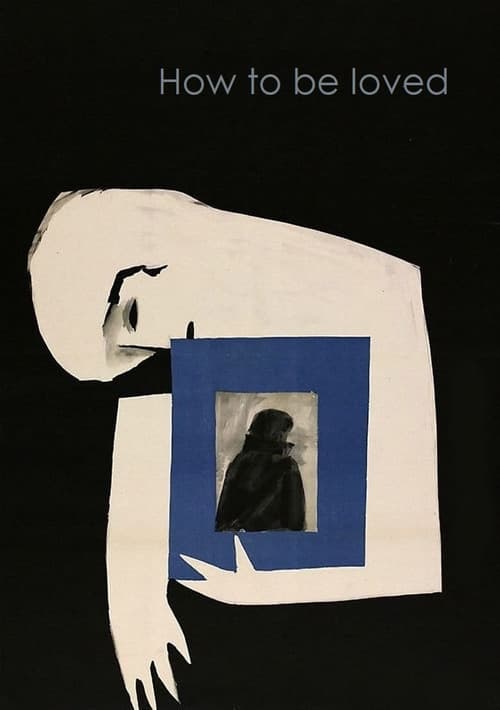
1963
No reviews yet. Be the first to share your thoughts on this movie!
Use the rating form above to leave a star rating and optional review.