
Sorrowful Shadow
2004
No user ratings available yet
Diversity score: 5.6 out of 10

2009
Director
Guy Maddin
Runtime
7 minutes
Average Rating
No ratings yetSynopsis
A woman sent is sent to an electric chair that reads the images of her mind.
Overall Score
Limited
Category Breakdown
LGBTQ+ Representation
The film lacks explicit queer narratives or visible LGBTQ+ characters. The score reflects a lack of representation rather than active antagonism.
Gender Representation
The story utilizes melodramatic gender archetypes consistent with silent-era aesthetics. While the central figure is a woman, her agency is tied to her psychological landscape.
Racial & Ethnic Diversity
The film operates within a highly controlled, stylized aesthetic that lacks visible racial or ethnic diversity. It presents a homogeneous visual palette.
Religious & Cultural Diversity
The narrative critiques systemic power by focusing on state-sanctioned execution. It explores subjective morality through the lens of institutional authority.
Disability Representation
The exploration of the mind's images may serve as a metaphor for neurodivergence. However, there is no specific evidence of characters with disabilities.
Strengths
Areas for Improvement
AI Analysis
Guy Maddin’s work functions as a postmodern exercise in cinematic pastiche, prioritizing stylistic subversion over demographic variety. The film focuses on a singular, expressionistic character study that mimics early 20th-century aesthetics. While the film offers a subtle critique of institutional authority and state violence, it lacks robust intersectional representation. The narrative is more concerned with formal deconstruction and surrealism than with explicit social messaging. Ultimately, the work remains a highly stylized psychological experience. It succeeds in disrupting traditional narrative expectations but fails to provide a diverse range of identities or cultural perspectives.
2004
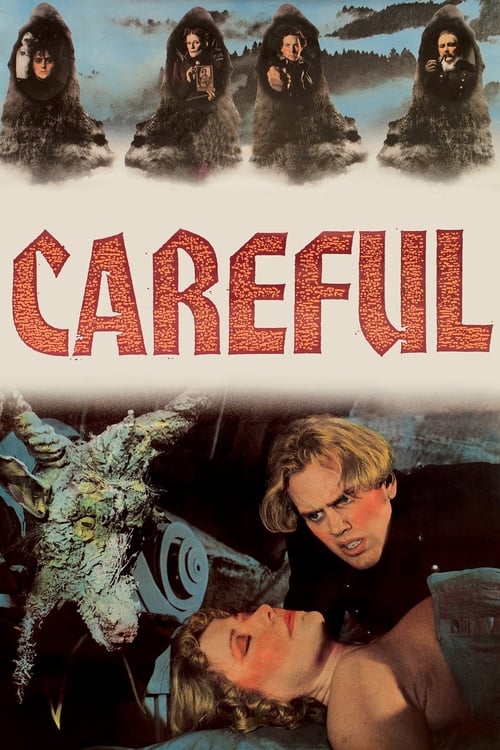
1992
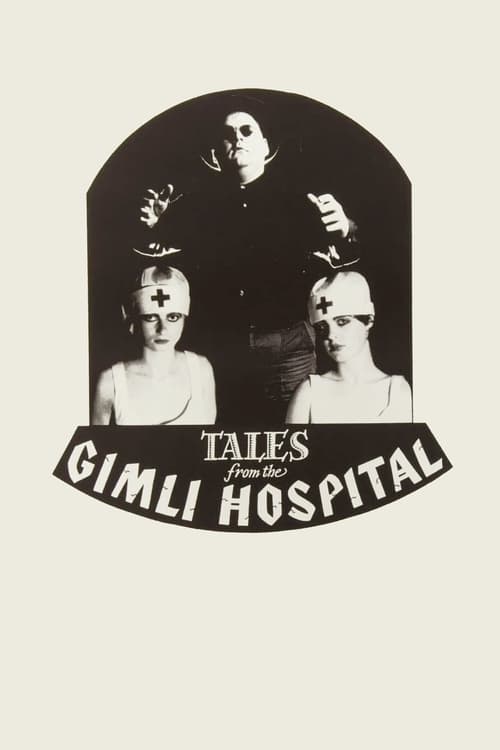
1988

2007

2014
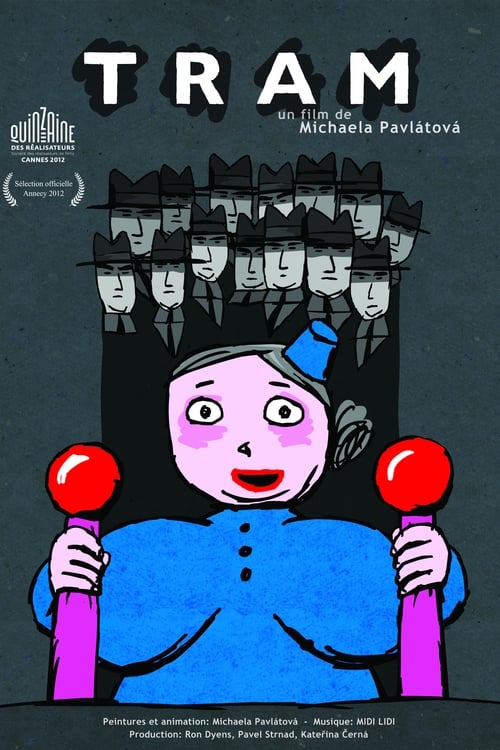
2012
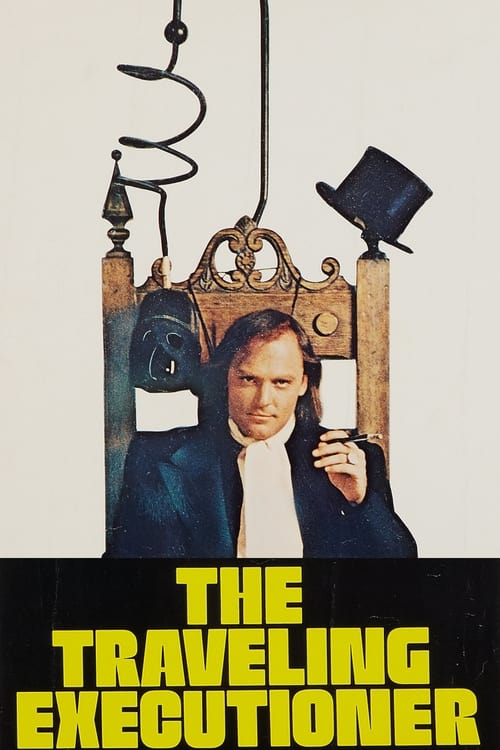
1970

1974

2005

2006

1999
No reviews yet. Be the first to share your thoughts on this movie!
Use the rating form above to leave a star rating and optional review.