
My Sassy Girl
2001
No user ratings available yet
Representation score: 3.9 out of 10
Representation Score
Excellent
2006
Not RatedDirector
Park Chan-wook
Runtime
105 minutes
Average Rating
No ratings yetNew Showbiz Analysis
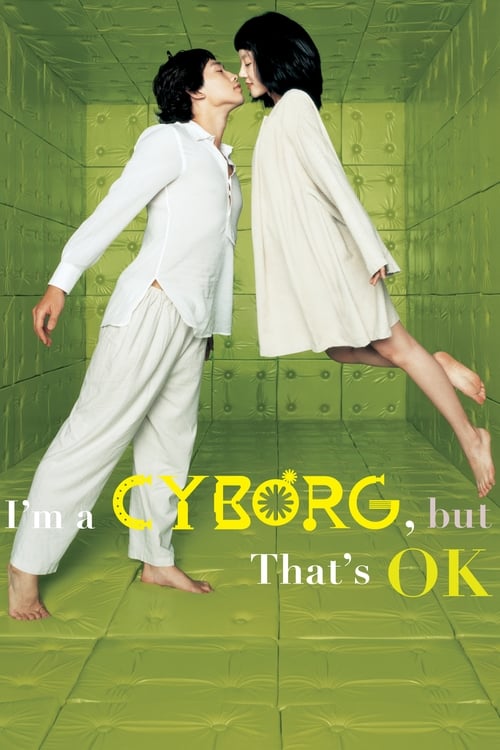
Park Chan-wook’s film excels by centering neurodivergent ability to act, transforming a psychiatric setting into a space of profound human connection. By validating the characters' internal worlds, the narrative avoids the pitfalls of mockery or inspiration porn. While the film is culturally homogeneous and lacks explicit LGBTQ+ representation, it succeeds in deconstructing social norms. It replaces traditional romantic and social hierarchies with a focus on the subjective experience of its protagonists. Ultimately, the film's strength lies in its refusal to adhere to clinical authority, offering a sophisticated look at how individuals navigate perceived reality.
Category Breakdown
The story centers on a heterosexual romance between Young-go and Il-soon. While there are no explicit LGBTQ+ characters, the film challenges traditional heterosexual norms by focusing on a connection based on shared psychological experiences.
Young-go avoids traditional submissive feminine roles, instead taking an active role through her unique internal reality. The film presents both protagonists as operating outside conventional social norms, subverting traditional gender hierarchies.
This South Korean production features a culturally homogeneous cast. The narrative focuses on the characters' psychological landscapes rather than exploring diverse racial backgrounds.
The film critiques institutional authority by prioritizing the protagonists' subjective truths over clinical reality. It celebrates social non-conformity and the validity of radical personal perspectives.
Neurodivergence is portrayed with significant dignity and nuance. The characters are shown as active architects of their own realities rather than passive subjects of medical intervention.
Present on Screen
Limited or Absent
Official Synopsis
Young-goon, mentally deranged and frequently electro-charging herself with a transistor radio, has been admitted into a mental institution. Firmly believing herself to be a cyborg, she refuses to consume like a human being. Il-soon is another patient, who catches the eye of Young-goon and soon becomes a close friend. Il-soon is now confronted with the biggest task: to cure Young-goon's mental problem and have her eat real food.
2001

2009

1999

2006

2001

2009

2010
2002
No reviews yet. Be the first to share your thoughts on this movie!
Use the rating form above to leave a star rating and optional review.