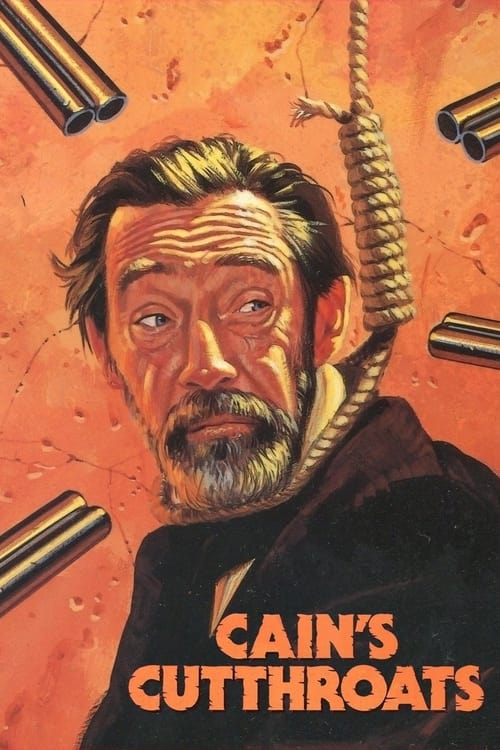
Cain's Cutthroats
1970
No user ratings available yet
Diversity score: 5.0 out of 10

1970
RDirector
Jack Smight
Runtime
95 minutes
Average Rating
No ratings yetSynopsis
Jonas Candide performs his job as state executioner in early 20th century Mississippi like a combination preacher and carnival barker, persuading condemned men to accept their deaths before electrocuting them on his electric chair. After he's assigned his first woman to execute, however, Jonas' sense of purpose is shaken.
Overall Score
Limited
Category Breakdown
LGBTQ+ Representation
The film offers no evidence of non-heteronormative identities or same-sex intimacy. The narrative focus remains strictly on the protagonist's vocation and his relationship with the state.
Gender Representation
A female prisoner serves as a catalyst for the protagonist's psychological crisis, disrupting the masculine ritual of execution. However, her role appears largely passive as a recipient of state power.
Racial & Ethnic Diversity
Set in early 20th-century Mississippi, the film inhabits a landscape of rigid racial hierarchies. There is no explicit evidence of a diverse cast or a deconstruction of racial norms.
Religious & Cultural Diversity
The story explores the intersection of religion and state authority through a protagonist who acts like a preacher. This suggests a cynical engagement with traditional religious institutions.
Disability Representation
There is no information available regarding the depiction of physical or neurodivergent disabilities in this film.
Strengths
Areas for Improvement
AI Analysis
The film centers on the psychological friction of an executioner whose ritualistic, religious approach to his job is upended by a female subject. While it touches on the subversion of masculine roles, the narrative remains largely confined to traditional institutional frameworks. The historical setting of Mississippi implies systemic racial dynamics, yet the film does not explicitly address or deconstruct these hierarchies. The focus is primarily on the individual's moral crisis rather than a broad social critique. Ultimately, the work functions as a period drama exploring professional identity and morality, offering limited engagement with broader social diversity or systemic representation.
No reviews yet. Be the first to share your thoughts on this movie!
Use the rating form above to leave a star rating and optional review.