
Deadtime Stories
1986
No user ratings available yet
Representation score: 0.8 out of 10
Representation Score
Fair
1988
Director
Guy Maddin
Runtime
64 minutes
Average Rating
No ratings yetNew Showbiz Analysis
Guy Maddin’s work uses a dual-narrative structure to contrast modern medical settings with historical folklore. This allows for a deep exploration of generational perspectives and communal myths. The film excels in representing a specific immigrant identity and subverting mainstream, secular frameworks. It prioritizes subjective, mythic truths over clinical, institutional logic. While the film is strong in cultural and ethnic representation, it lacks explicit details regarding specific LGBTQ+ identities or disability representation.
Category Breakdown
The film explores non-traditional emotional experiences through its surreal, dream-like atmosphere. However, there is no explicit depiction of same-sex relationships or non-binary gender identities.
The narrative is driven by a matriarchal figure, an Icelandic grandmother who preserves cultural memory. An angelic character also challenges traditional gender roles.
The story focuses on Icelandic-Manitoban heritage, using specific ethnic folklore. This approach breaks the typical homogeneity found in mainstream North American cinema.
The film emphasizes mythic, ancestral storytelling over modern secularism. It contrasts institutionalized Western medicine with a spiritual, folkloric interpretation of the past.
There is no visible evidence of the portrayal of physical or neurodivergent disabilities in the narrative.
Present on Screen
Limited or Absent
Official Synopsis
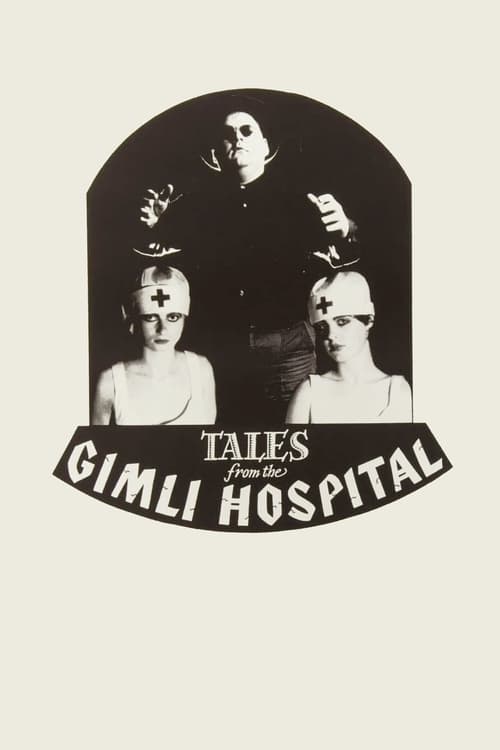
While their mother is dying in the modern Gimli, Manitoba hospital, two young children are told an important tale by their Icelandic grandmother about Einar the lonely, his friend Gunnar, and the angelic Snjofrieder in a Gimli of old.
1986

2007

2010

1994
1992

1984
1985

2024
No reviews yet. Be the first to share your thoughts on this movie!
Use the rating form above to leave a star rating and optional review.