
The Irony of Love
2010
No user ratings available yet
Diversity score: 3.0 out of 10
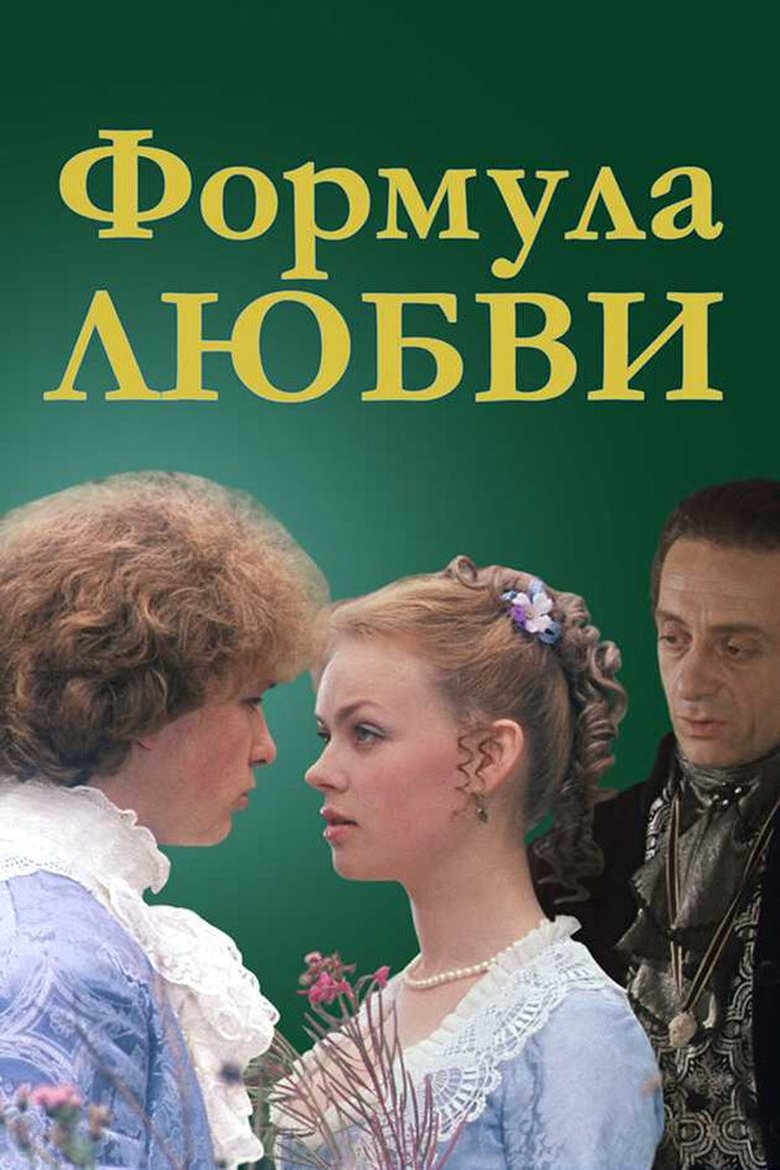
1984
Director
Mark Zakharov
Runtime
90 minutes
Average Rating
No ratings yetSynopsis
A young aristocrat, Aleksei Fedyashev, is languishing in his family's country estate, spending his days reading poetry and confessing his love... to a statue. Upon hearing that famous Count Cagliostro is touring Russia and has created quite a buzz in high society with his "magic", he decides to ask the Count to bring the statue to life...
Overall Score
Fair
Category Breakdown
LGBTQ+ Representation
The film follows a heteronormative romantic structure centered on a male protagonist and a female counterpart. There is no evidence of same-sex intimacy or non-cisnormative identities.
Gender Representation
The female lead possesses significant agency, engaging in high-level philosophical discourse. The narrative favors intellectual parity between genders rather than traditional patriarchal hierarchies.
Racial & Ethnic Diversity
The cast is largely homogeneous, reflecting the Soviet urban intelligentsia of the era. It lacks diverse ethnic identities or intentional race-bent casting.
Religious & Cultural Diversity
The story offers a postmodernist critique of scientific rationalism. It prioritizes subjective emotional truth over rigid, systemic logic to explore human connection.
Disability Representation
No physical or neurodivergent disabilities serve as central character arcs. Loneliness is explored as an existential condition rather than a specific disability representation.
Strengths
Areas for Improvement
AI Analysis
Mark Zakharov’s film is a philosophical character study that prioritizes intellectual depth over demographic breadth. It succeeds in subverting traditional masculine archetypes by presenting a vulnerable, emotionally driven protagonist rather than a standard 'rational man.' However, the film remains limited by its era and production context. The lack of racial diversity and LGBTQ+ representation results in a narrow social scope, focusing almost exclusively on a homogeneous intelligentsia. Ultimately, the film's diversity is found in its narrative architecture. It challenges systemic rigidity and promotes gendered intellectual equality, even while remaining within traditional romantic frameworks.
2010
2016
1985
1958
1978
1941
1982

1997
2007
1985
1979

1985
No reviews yet. Be the first to share your thoughts on this movie!
Use the rating form above to leave a star rating and optional review.