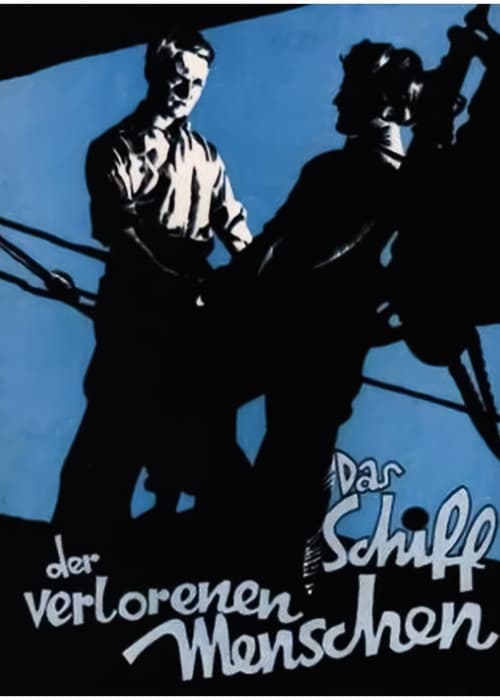
The Ship of Lost Men
1929
No user ratings available yet
Representation score: 1.2 out of 10

Representation Score
Fair
1948
ApprovedDirector
Lewis Allen
Runtime
109 minutes
Average Rating
No ratings yetNew Showbiz Analysis
So Evil My Love is a mid-century psychological drama set within the historical and colonial contexts of the late 19th century. While the setting offers a potential backdrop for diverse cultural representation, the narrative adheres to conventional period clichés. The film centers around a female protagonist in a nurturing role and a mysterious male painter, emphasizing traditional character dynamics. The theme of illness provides a thematic anchor for the mystery but does not necessarily offer nuanced disability representation. Overall, the film reflects the hierarchical social norms of its time without attempting to challenge them through diverse or layered storytelling.
Category Breakdown
The film does not show any non-straight relationships. The story focuses on a widow and a male painter, which follows a traditional dramatic setup.
Olivia Harwood is a key female character. However, her role as a caregiver fits 19th-century stereotypes of nurturing women rather than challenging gender roles.
The journey from Jamaica to England hints at a colonial context. It is unclear if non-white characters play significant roles or just serve as background elements.
The story seems rooted in traditional Western social norms. There is no indication of narratives that question the period’s established social or moral norms.
The storyline includes malaria patients, highlighting themes of physical vulnerability. It is unclear if these characters have significant roles or merely serve as plot devices.
Present on Screen
Limited or Absent
Official Synopsis
In the late 19th century, on board a ship sailing from Jamaica to England, Olivia Harwood, a recent widow, takes on the task of caring for several malaria patients, including Mark Bellis, a mysterious and tormented painter.
1929
1952
1941

1939

1949
1946
1947
1938
No reviews yet. Be the first to share your thoughts on this movie!
Use the rating form above to leave a star rating and optional review.