The Velvet Touch
1948
No user ratings available yet
Representation score: 2.7 out of 10
Representation Score
Fair
1947
Director
Fyodor Otsep
Runtime
98 minutes
Average Rating
No ratings yetNew Showbiz Analysis
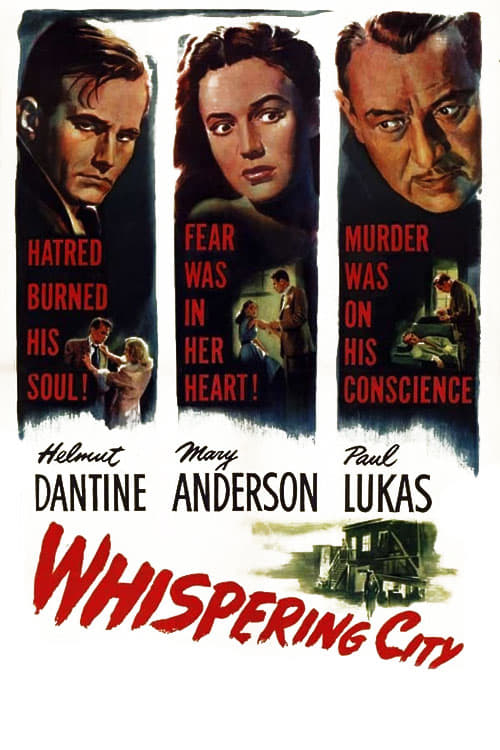
Whispering City is a period-typical noir thriller that adheres to the social norms of the late 1940s. While it offers some active roles for women, it lacks the layered diversity seen in more progressive films. The film’s strengths include providing women with active roles in the investigation and narrative drive. However, these roles are often defined by vulnerability and trauma. Overall, the production reflects the era’s lack of diversity, presenting a homogeneous social setting and a narrative focused on individual morality rather than broader societal critiques.
Category Breakdown
The film follows traditional 1940s romantic storylines. It centers on a tragic event involving a deceased fiancé without any indication of diverse gender identities.
A female reporter and a dying actress play key roles in the story. However, the narrative relies heavily on female trauma to drive the plot.
There is no indication of a multi-ethnic cast. The film seems to follow the homogeneous casting practices typical of 1947 Hollywood.
The film critiques high society through themes of corruption and murder. It does not address broader systemic issues related to religion or capitalism.
Mental illness is a central plot element. While there are neurodivergent themes, they might serve more as atmospheric devices rather than nuanced character studies.
Present on Screen
Limited or Absent
Official Synopsis
After hearing that a famous actress is dying in a hospital after being hit by a car, a reporter goes to the hospital to interview the actress. She then tells the reporter that her wealthy fiance, who was killed in an accident several years before, was actually murdered. Before long the reporter finds herself in a web of corruption, mental illness and murder.
1948

1940
1949

1958
1946

1950
1941
1950
No reviews yet. Be the first to share your thoughts on this movie!
Use the rating form above to leave a star rating and optional review.