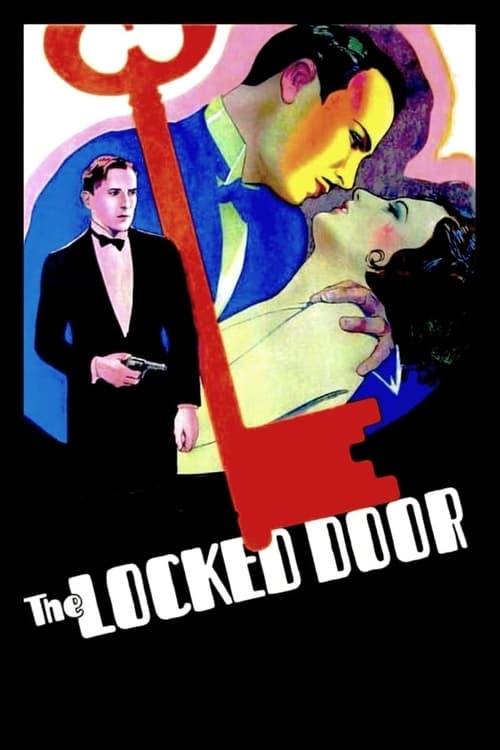
The Locked Door
1929
No user ratings available yet
Diversity score: 3.2 out of 10
1929
Director
Maurice Tourneur
Runtime
121 minutes
Average Rating
No ratings yetSynopsis
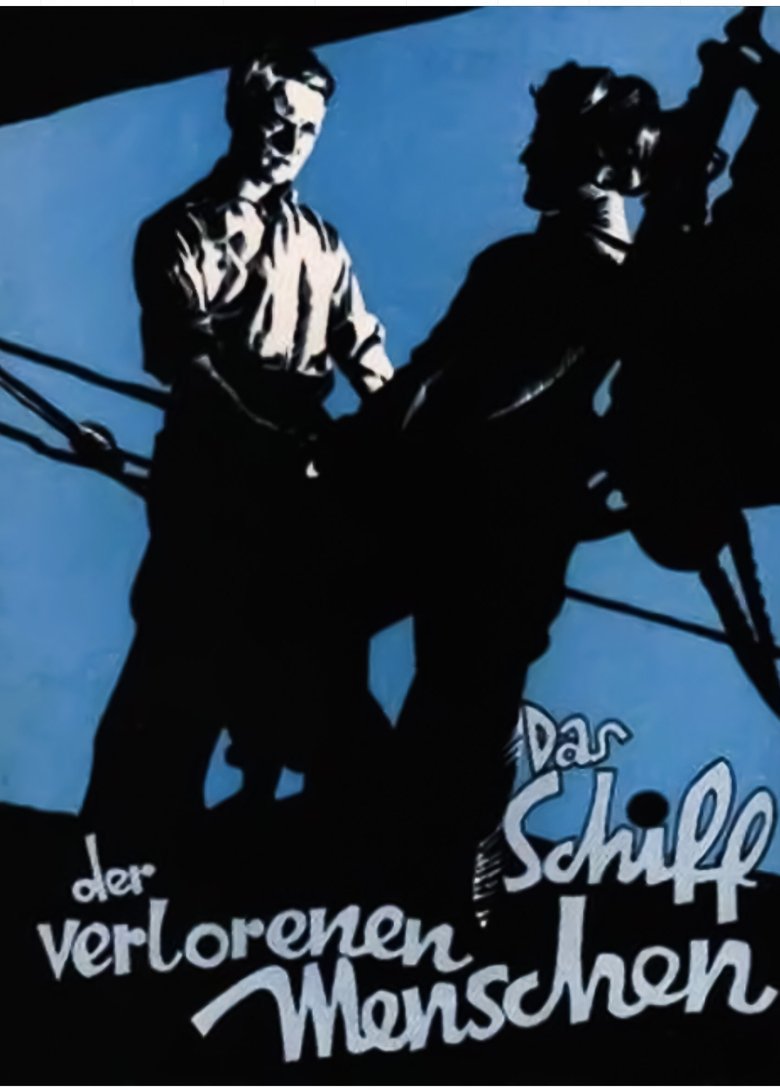
A young doctor gets stuck on a ship after treating an injured first mate. Later, he rescues a woman from plane wreckage, and with the help of the cook, he hides her away from the rowdy and dangerous crew.
Overall Score
Limited
Category Breakdown
LGBTQ+ Representation
The film lacks any evidence of non-heteronormative identities. The story centers on a traditional rescue dynamic between a male doctor and a female survivor.
Gender Representation
The narrative relies on a 'damsel in distress' motif where the woman is a recipient of protection. The doctor's defiance of the crew offers a minor disruption of patriarchal dominance.
Racial & Ethnic Diversity
The maritime setting appears homogeneous and follows standard Western-centric casting conventions of the 1920s. There is no evidence of intentional racial blending within the crew.
Religious & Cultural Diversity
The film operates within conventional moral frameworks of the early 20th century. It focuses on individual morality versus anarchy rather than critiquing specific Western institutions.
Disability Representation
An injured first mate serves as a plot catalyst to trap the doctor on the ship. There is no indication that disability is explored through a lens of agency.
Strengths
Areas for Improvement
AI Analysis
Maurice Tourneur’s drama is a product of its era, functioning as a standard genre piece that adheres to the cinematic constraints of 1929. It prioritizes atmospheric storytelling and traditional heroism over social subversion or intersectional character development. The film relies heavily on established tropes, such as the protector-protected dynamic and the lawless maritime setting. While it explores themes of morality against chaos, it does not attempt to challenge systemic hierarchies or provide diverse representation. Ultimately, the work reflects the social norms of the silent era, offering a conventional narrative that lacks the complexity required to disrupt historical archetypes.
1929
1938

1950

1957

1948
1951
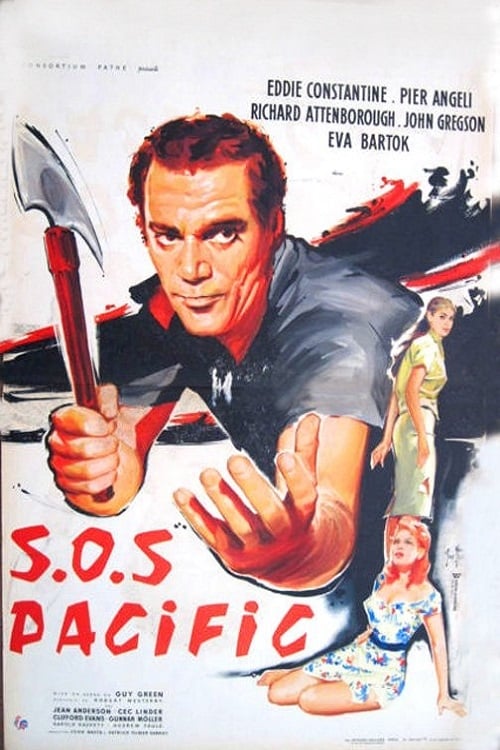
1959
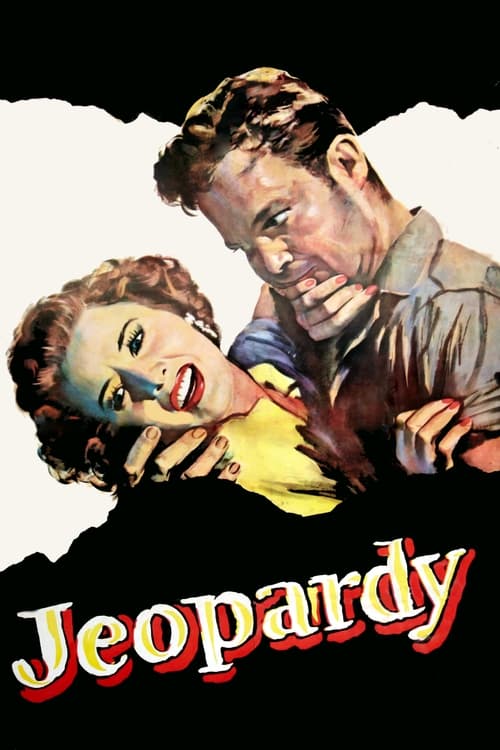
1953
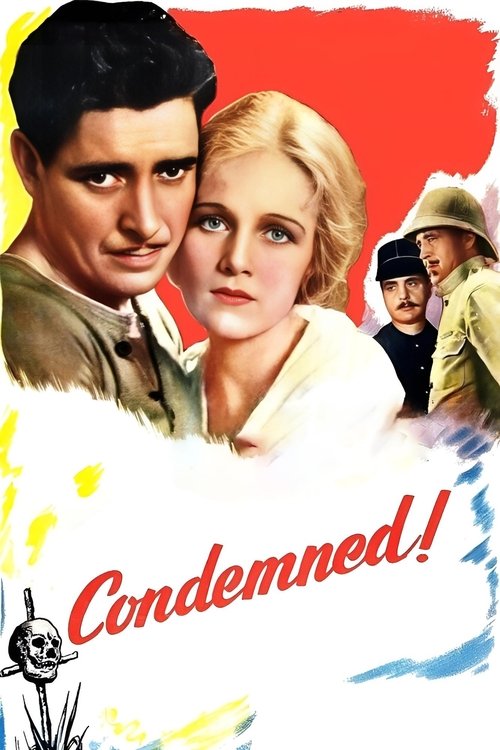
1929

1939
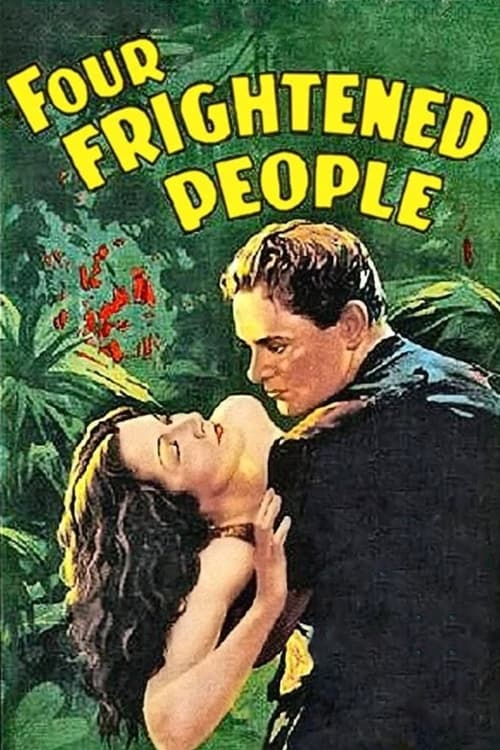
1934
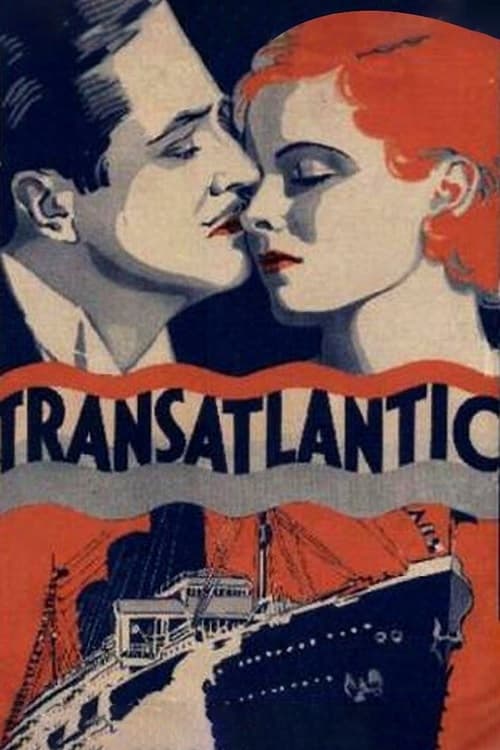
1931
No reviews yet. Be the first to share your thoughts on this movie!
Use the rating form above to leave a star rating and optional review.