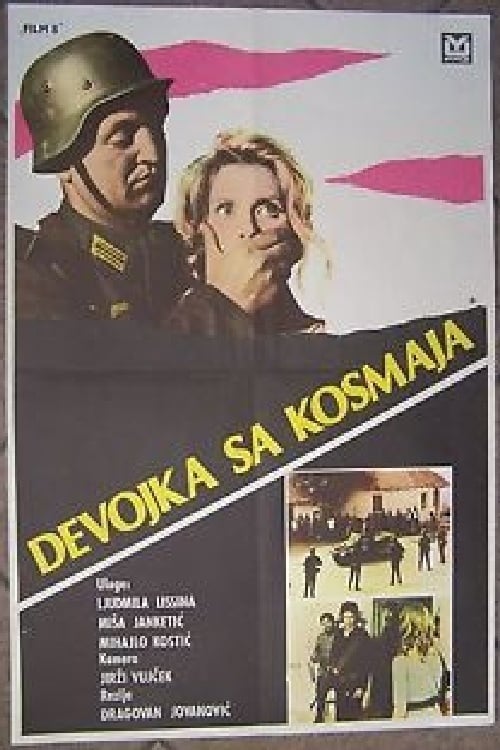
Girl from the Mountains
1972
No user ratings available yet
Representation score: 7.5 out of 10
Representation Score
Fair
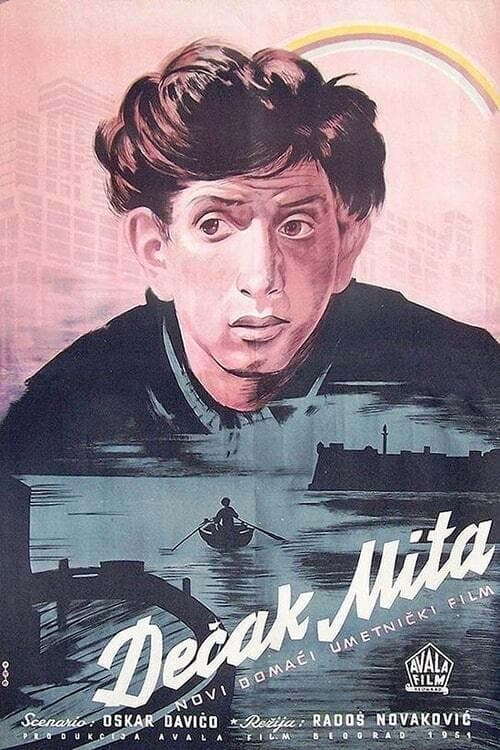
1951
Director
Rados Novakovic
Runtime
108 minutes
Average Rating
No ratings yetNew Showbiz Analysis
The Boy Mita serves as a historical document of resistance, prioritizing collective struggle over individual pursuits. Its strength lies in its anti-authoritarian framework and the portrayal of women as active participants in political survival. However, the film lacks specific representation for LGBTQ+ identities and disabilities. Additionally, the narrative focus remains heavily centered on the male protagonist, limiting the scope of gendered empowerment. Ultimately, the film's diversity is structural rather than identity-based, finding its voice through the subversion of occupying imperial powers and the pursuit of liberated territory.
Category Breakdown
The film does not explicitly depict LGBTQ+ identities or non-straight relationships. It focuses on the companionship between Mita and a female character during their flight.
Women are shown as active participants in a high-stakes journey rather than passive domestic figures. However, the main narrative focus remains on the male protagonist, Mita.
The story centers on indigenous resistance against German occupation, emphasizing ethnic self-determination against an external imperial power. This provides a foundation for non-Western identity representation.
The film highlights systemic struggles and anti-imperialist values. By focusing on a revolutionary movement, it challenges traditional Western structures and state-sanctioned paths.
There are no visible or invisible disabilities portrayed in the narrative. Therefore, no assessment of disability representation can be made.
Present on Screen
Limited or Absent
Official Synopsis
Instead of going to Belgrade, a boy called Mita joins illegal movement. Germans, who occupied Belgrade in the meantime, start to hunt down communists. Many of them are killed, but Mita succeeds to get to the freed land together with a girl who was going to Belgrade with him.
1972

1945
1968
2017

1951
1982
1959
1966
No reviews yet. Be the first to share your thoughts on this movie!
Use the rating form above to leave a star rating and optional review.