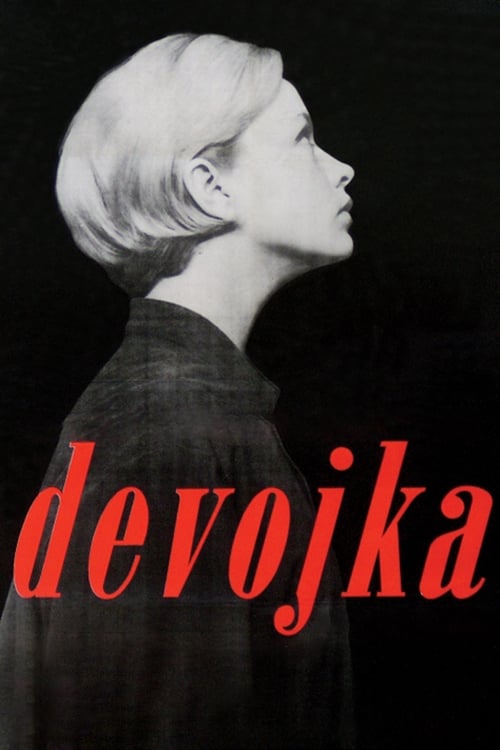
The Girl
1965
No user ratings available yet
Representation score: 5.4 out of 10
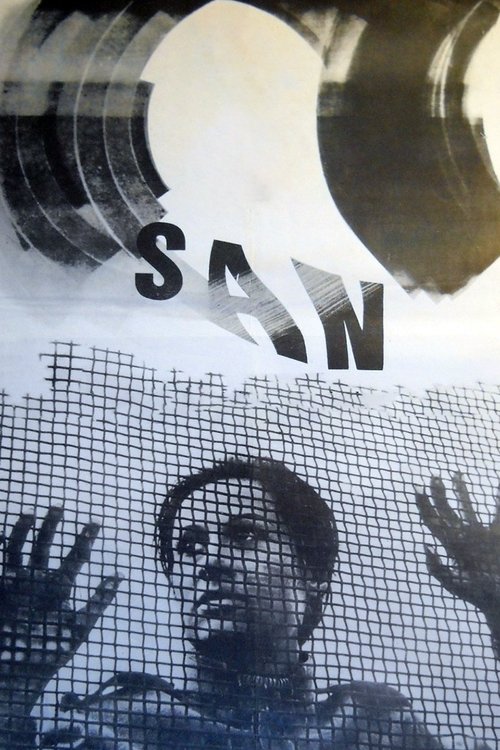
Representation Score
Fair
1966
Director
Mladomir 'Puriša' Đorđević
Runtime
93 minutes
Average Rating
No ratings yetNew Showbiz Analysis
The Dream serves as a historical document of Yugoslav cinematic identity, focusing on the collective experience of resistance. It moves away from Western heroic clichés to highlight the human cost of conflict within a localized context. While the film lacks markers of diversity like LGBTQ+ representation or neurodivergent perspectives, its emphasis on liberation from oppressive systems provides a unique narrative structure. Ultimately, the film’s diversity lies in its cultural positioning and its depiction of a multi-ethnic population united by a shared dream of freedom.
Category Breakdown
The film does not include any LGBTQ+ characters or stories that go beyond the assumption that everyone is straight or cisgender. It follows traditional romantic pairings between a boy and a girl.
The story features both male and female protagonists who represent hope for liberation. While women in this genre often show strong resilience, the specific roles and dynamics for women in this film are not clearly defined.
Set in the multi-ethnic Balkan region, the film showcases a diverse local population resisting a monolithic German occupying force. This setting uses ethnic variety as a symbol for unified resistance.
The narrative focuses on collective liberation and anti-fascism over individualist pursuits. It presents a nuanced view of survival by emphasizing systemic upheaval rather than individual moralities.
The film mentions high casualties but it is unclear if characters with disabilities are given real depth or control over their actions. Physical trauma may just serve as a visual symbol for the devastation of war.
Present on Screen
Limited or Absent
Official Synopsis
In the whirlpool of WW2, two peaceful towns that have already tasted peace are once again attacked by the Germans. Casualties are high, but the dream of a boy and a girl about their liberated towns cannot be destroyed.
1965
1982
1972

1960
1956
1979
1982
1951
No reviews yet. Be the first to share your thoughts on this movie!
Use the rating form above to leave a star rating and optional review.