
Girl from the Mountains
1972
No user ratings available yet
Representation score: 7.5 out of 10
Representation Score
Limited
1982
Director
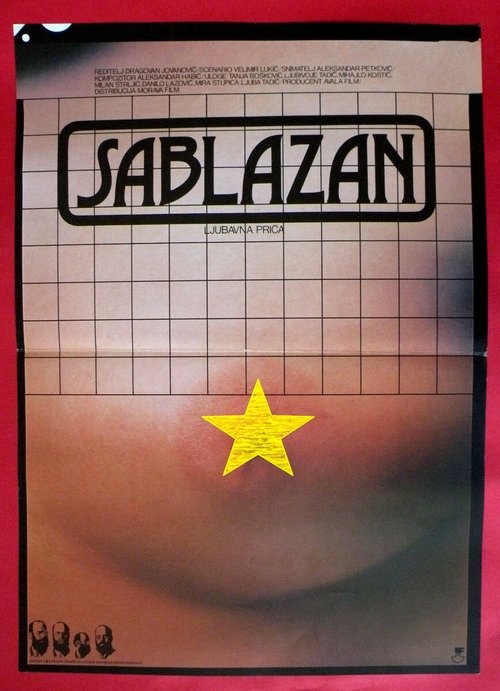
Dragovan Jovanović
Runtime
82 minutes
Average Rating
No ratings yetNew Showbiz Analysis
Outrage functions as a wartime drama that uses a romantic transgression to critique rigid nationalist boundaries. The plot centers on a partisan who chooses an individual connection with a captured German secretary over his ideological duties. While the film lacks explicit markers of diversity like LGBTQ+ identity or racial diversity, it finds strength in its subversion of wartime archetypes. It moves away from purely institutional narratives to explore personal, situational ethics. However, the film's reliance on a captured female character suggests a potential adherence to traditional gender stereotypes. The lack of diverse ethnic or disability representation keeps the overall score moderate.
Category Breakdown
The film does not include any LGBTQ+ characters or stories that go beyond the assumption that everyone is straight or cisgender.
A female German secretary plays a central role in driving the story. While her capture might risk the 'damsel in distress' stereotype, her involvement challenges the usual focus on male combatants.
The story explores conflicts between opposing national identities during a European war. However, the cast is ethnically uniform, using national identity as a stand-in for identity-based conflict.
The narrative emphasizes personal morality over strict nationalistic ideals. By focusing on personal connections rather than partisan duties, it questions the rigidity of state-driven wartime ideologies.
There is no depiction of physical or neurodivergent disabilities in the film.
Present on Screen
Limited or Absent
Official Synopsis
After the end of World War II, a young partisan falls in love with a German secretary who is captured and imprisoned by partisans. He decides to free her and escape with her.
1972

1985

1967

2002

1981
1954

1965
1968
No reviews yet. Be the first to share your thoughts on this movie!
Use the rating form above to leave a star rating and optional review.