Celia
1989
No user ratings available yet
Representation score: 6.9 out of 10
Representation Score
Good
1966
Director
Gonzalo Suárez
Runtime
13 minutes
Average Rating
No ratings yetNew Showbiz Analysis
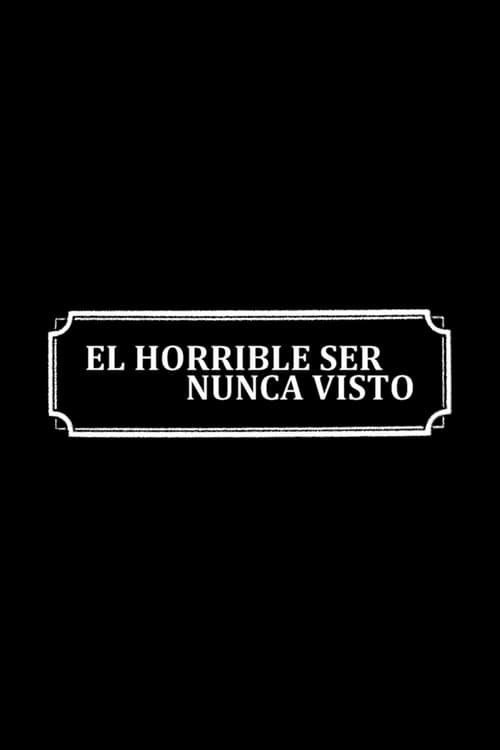
Gonzalo Suárez's film centers on a woman's psychological journey through dreams and a mysterious presence. This focus on a woman's perspective breaks from typical male-dominated horror stories, although the extent of her independence is unclear. Considering the film was made in 1966 Spain, it likely lacks racial diversity. Its strength lies in exploring psychological depth rather than making overt social statements. Overall, the film serves as a psychological study. By focusing on a woman's perception, it avoids some traditional horror clichés, but it doesn't provide much evidence of diverse representation.
Category Breakdown
The film does not show any LGBTQ+ representation or non-cisgender identities. It also doesn't challenge the idea that everyone is straight or cisgender.
The story focuses on a young woman's inner thoughts and psychological struggles. This shifts away from typical horror movies where female characters often play minor roles.
Given the time period and location, the film probably has a mostly white cast. There's no information suggesting a diverse range of ethnicities.
The conflict between the main character and her uncle might hint at a critique of traditional family structures. However, there's no clear evidence of secular themes.
The film explores mental states through dreams and shadowy monsters. The monsters can represent neurodivergence or psychological issues.
Present on Screen
Limited or Absent
Official Synopsis
A young woman who lives with her uncle begins to dream about a monster that lurks in the shadows of the night.
1989
1967
2020
1980
1966

1969

2020
2018
No reviews yet. Be the first to share your thoughts on this movie!
Use the rating form above to leave a star rating and optional review.