
The Sky is Falling
1975
No user ratings available yet
Representation score: 6.7 out of 10
Representation Score
Fair
1980
UnratedDirector
Iván Zulueta
Runtime
110 minutes
Average Rating
No ratings yetNew Showbiz Analysis
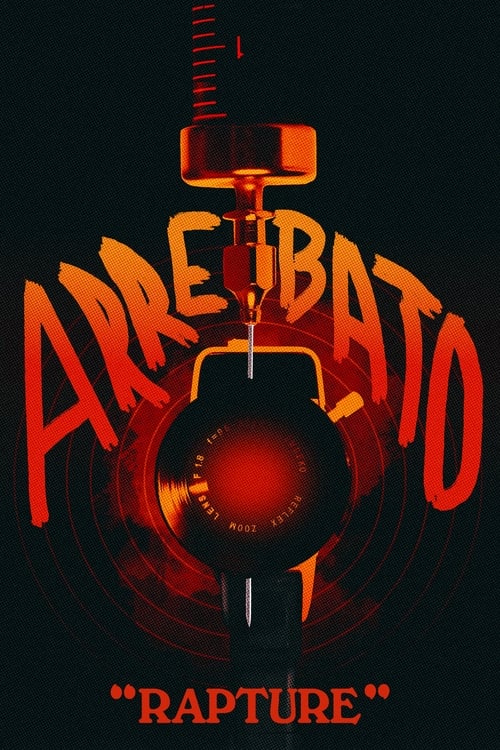
Iván Zulueta’s Arrebato is a stylistic triumph of Spanish postmodernism that prioritizes psychological truth over social norms. It successfully challenges traditional institutions and moral frameworks, offering a fractured, existentialist view of reality. However, the film remains demographically narrow, focusing on a homogeneous urban circle in Madrid. This limits the representation of diverse racial and ethnic backgrounds, while the narrative structure relies heavily on traditional gender-driven obsessions and the male gaze. Ultimately, the work is a significant achievement in narrative rebellion, even if its representation of specific identities remains implicit or limited by its historical context.
Category Breakdown
The film explores a bohemian subculture that exists outside traditional straight relationships. However, it does not provide clear romantic arcs or strong roles for LGBTQ+ characters.
The story is primarily told from a male perspective, focusing on the protagonist's psychological journey. Female characters often serve as catalysts for the male protagonist's actions rather than having their own independent roles.
The film focuses on Madrid's avant-garde circles, resulting in a largely homogeneous cast. This limits the representation of diverse racial and ethnic backgrounds.
The film embraces moral relativism and deconstructs traditional religious frameworks. It prioritizes a fragmented, subjective reality over singular moral viewpoints.
Mental instability and addiction play central roles in the protagonist's journey. These elements drive the psychological horror through a nuanced, non-traditional lens.
Present on Screen
Limited or Absent
Official Synopsis
José Sirgado is a low-budget filmmaker whose heroin addiction distorts his perspective of the real world. Although he is a depressed and unstable individual, his mood improves when he receives the mysterious films of Pedro, with whom he shares his passion for cinema.
1975
1973

1966
1983

2004

1974

1974
1976
No reviews yet. Be the first to share your thoughts on this movie!
Use the rating form above to leave a star rating and optional review.