The Other Side of Everything
2017
No user ratings available yet
Representation score: 6.6 out of 10
Representation Score
Good
2010
Not RatedDirector
Mila Turajlić
Runtime
100 minutes
Average Rating
No ratings yetNew Showbiz Analysis
Cinema Komunisto is a sophisticated deconstruction of how state power uses film to manufacture national identity. It excels in exploring ethnic plurality and critiquing Western-centric geopolitical models. While the film provides a nuanced view of multi-ethnic complexity and anti-capitalist social projects, it remains limited in representing underrepresented individual identities. The focus on macro-political history results in a lack of visibility for LGBTQ+ and disabled subjects. Ultimately, the documentary serves as a powerful study of how cinema shapes collective reality, even if it overlooks specific personal identities in favor of state-driven narratives.
Category Breakdown
The documentary focuses on political and industrial history without explicitly addressing queer existence or non-cisgender identities within the socialist framework.
Women are recognized as performers and technical contributors, but the narrative centers on patriarchal state leadership and institutional structures.
The film excels at depicting multi-ethnic complexity through the 'Brotherhood and Unity' policy, exploring how various ethnic identities were blended to create a supra-national Yugoslav identity.
This work offers a profound critique of Western hegemony by examining the Non-Aligned Movement, framing the socialist era as a complex site of identity construction.
There is no significant portrayal of individuals with disabilities having ability to act. The scope favors collective social movements over individual neurodivergence or physical disability.
Present on Screen
Limited or Absent
Official Synopsis
This eye-opening and bittersweet chronicle of the Yugoslavian film industry recounts how the cinema was used—often with direct intervention from President Josip Broz Tito—to create and recreate the young nation’s history, replete with heroes and myths that didn’t always hew closely to reality.
2017
2017
1992
2012
1994
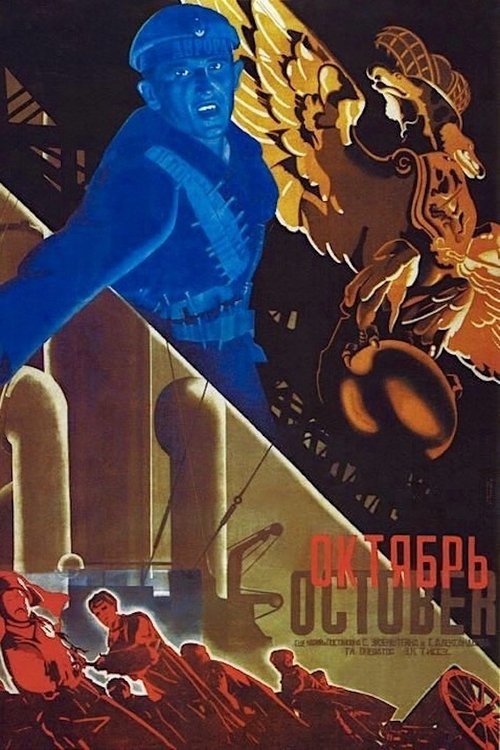
1928
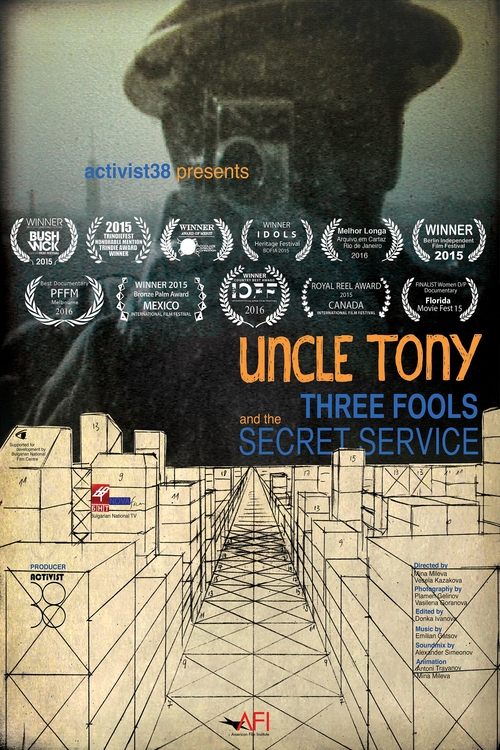
2014
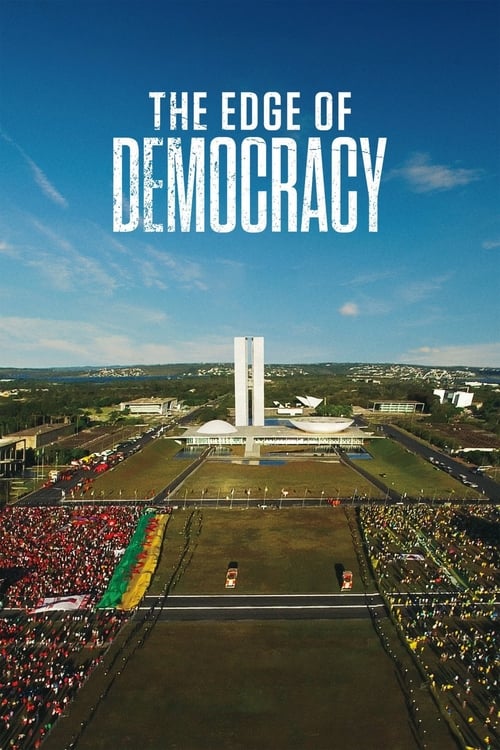
2019
No reviews yet. Be the first to share your thoughts on this movie!
Use the rating form above to leave a star rating and optional review.