Campfire
2004
No user ratings available yet
Representation score: 5.6 out of 10
Representation Score
Fair
2004
Director
Randa Chahal Sabbag
Runtime
80 minutes
Average Rating
No ratings yetNew Showbiz Analysis
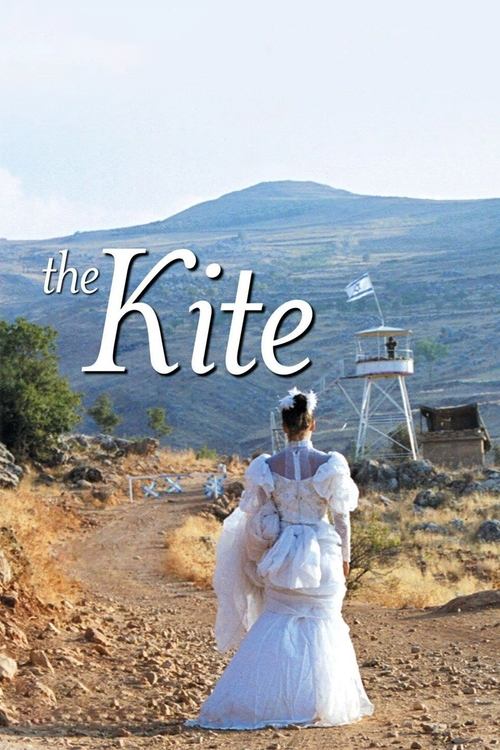
The Kite is a significant piece of regional cinema that challenges Western-centric storytelling by centering a Middle Eastern perspective. It excels in racial and ethnic diversity by offering an authentic, non-Anglo-Saxon view of life in a Lebanese village. However, the film operates within traditional social hierarchies. While it critiques how patriarchal structures affect the protagonist, it does not engage with contemporary Western identity politics or non-traditional gender narratives. Ultimately, the film's strength lies in its cultural specificity and its exploration of how geopolitical forces impact individual freedom, even as it remains within established social frameworks.
Category Breakdown
The film focuses on traditional family structures and the transition into adulthood through arranged marriages. It does not include characters with non-binary gender identities or challenge the assumption that everyone is straight.
The story centers on Lamia's loss of control within a patriarchal system. While it examines how arranged marriages impact women's development, it does not significantly challenge traditional male leadership roles.
The film provides a non-Western narrative by featuring an all-Arab cast in a Lebanese village. It offers characters of color real influence within their own cultural context.
The narrative uses a post-colonial lens to explore how geopolitical borders and nation-states affect personal connections. It portrays systemic structures as forces that limit individual freedom.
There is no evidence of the portrayal of physical or cognitive disabilities in this work.
Present on Screen
Limited or Absent
Official Synopsis
A young 15 year old girl, Lamia, lives in a southern Lebanese village on the border with Israel. She is given in marriage to her cousin on the other side of the border. As Lamia crosses the barbed wire she also passes from childhood into adulthood, as brutal as our countries and the events that are to follow.
2004

2012
2003
2016
2008

2014

2005
2008
No reviews yet. Be the first to share your thoughts on this movie!
Use the rating form above to leave a star rating and optional review.