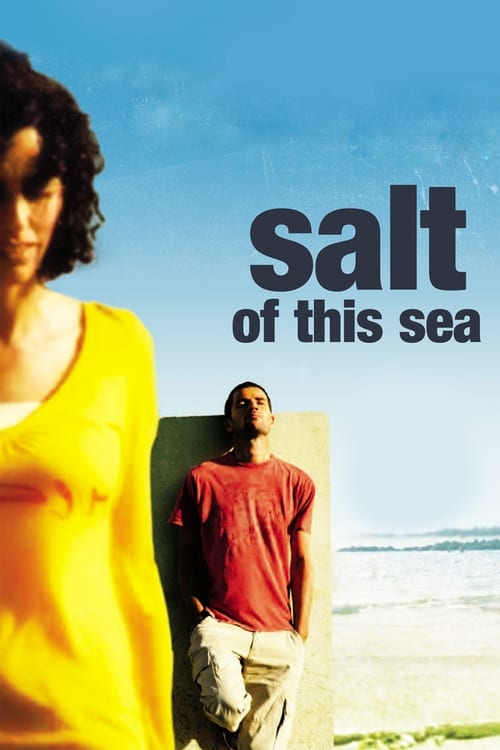
Salt of This Sea
2008
No user ratings available yet
Representation score: 7.9 out of 10
Representation Score
Fair
2004
Not RatedDirector
Ismaël Ferroukhi
Runtime
108 minutes
Average Rating
No ratings yetNew Showbiz Analysis
The film successfully breaks down monolithic views of Muslim identity by focusing on internal psychological changes rather than external conflicts. It moves away from the typical 'return to homeland' cliché, presenting a modern perspective on North African life in Europe. While rooted in traditional religious practices, the narrative uses these structures to explore personal ability to act. The journey fosters a shift in rigid male roles through vulnerability and mutual transformation between father and son. However, the film remains somewhat limited by its emphasis on patriarchal dynamics and the tension between personal identity and public traditions. LGBTQ+ themes are presented through secrecy and tension rather than direct critique.
Category Breakdown
Reda's secret love relationship drives his initial hesitation to join the pilgrimage. The film highlights the tension between personal desires and communal expectations.
The story focuses on the bond between father and son within a patriarchal structure. However, it challenges traditional hierarchies by emphasizing the emotional growth and active role of the younger generation.
The film offers a nuanced, contemporary look at North African identity within a European setting. It avoids common stereotypes by focusing on a specific, lived cultural experience.
The Hajj serves as a catalyst for personal growth rather than a tool for moralizing. It explores the tension between religious obligations and modern, individual pursuits.
There is no significant evidence regarding the portrayal of visible or invisible disabilities in the narrative.
Present on Screen
Limited or Absent
Official Synopsis
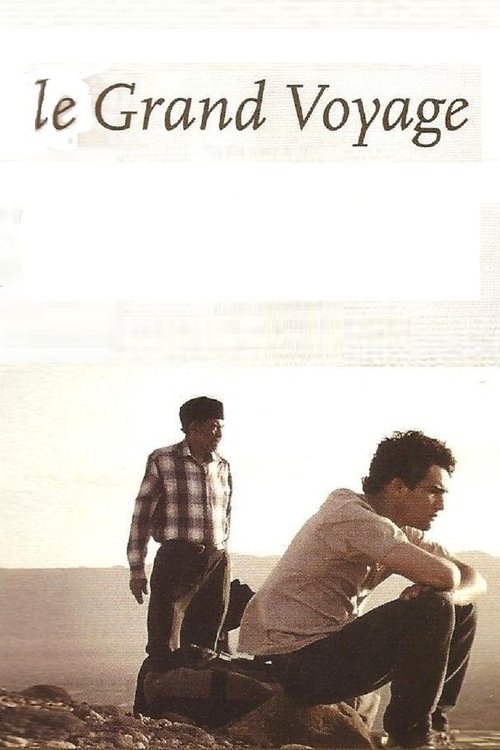
Reda, summoned to accompany his father on a pilgrimage to Mecca, complies reluctantly - as he preparing for his baccalaureat and, even more important, has a secret love relationship. The trip across Europe in a broken-down car is also the departure of his father: upon arrival in Mecca, both Reda and his father are not the characters they were at the start of the movie. Avoiding the hackneyed theme of the return to the homeland, the film uses the departure to renew a connection between two generation.
2008

2009

2014

2016

2000

1990

2010
2014
No reviews yet. Be the first to share your thoughts on this movie!
Use the rating form above to leave a star rating and optional review.