Don't Worry Baby
2016
No user ratings available yet
Representation score: 3.2 out of 10
Representation Score
Good
1978
Director
Lino Brocka
Runtime
117 minutes
Average Rating
No ratings yetNew Showbiz Analysis
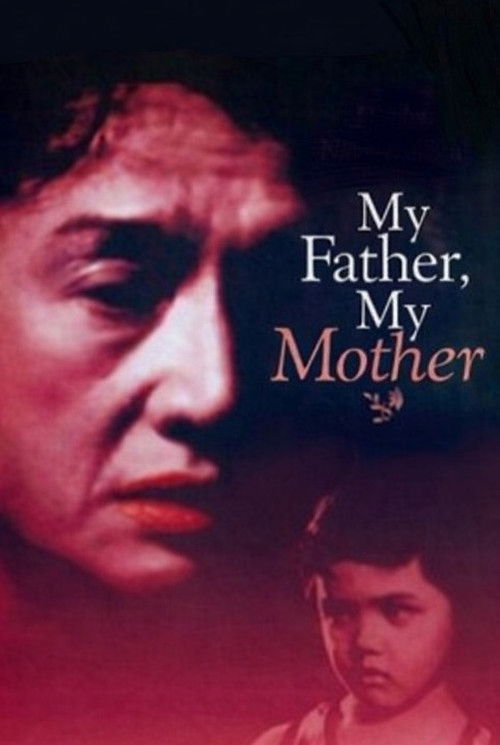
Lino Brocka’s film is a significant work of social realism that uses a domestic drama to challenge traditional family structures. By focusing on a queer protagonist, the film explores the complexities of non-traditional caregiving. The narrative effectively disrupts gendered expectations of parenting and masculinity. It highlights the tension between unconventional domesticity and established social norms through the return of a biological mother. While the film excels in its cultural authenticity and queer representation, it remains centered on a specific domestic conflict. It serves as a powerful critique of the rigid social structures governing family life.
Category Breakdown
The film focuses on Coring, a gay beautician who cares for a child. This places a queer individual in a central parental role, challenging assumptions about traditional family structures.
The film subverts traditional gender roles by showing a queer man in a nurturing position. It questions the binary between masculine strength and feminine caregiving through its unique family setup.
The film features a primarily Filipino cast, providing an authentic look at local social realities. It offers a fresh perspective compared to the typical homogeneous family structures seen in Western media.
The story criticizes restrictive traditional institutions by emphasizing emotional connections over strict adherence to religion or social norms. It highlights how conventional family stability can sometimes lead to systemic pressures.
The film does not prominently feature characters dealing with physical or neurodivergent disabilities.
Present on Screen
Limited or Absent
Official Synopsis
Coring, a gay beautician, is left with a baby by his former ward, Dennis. The baby grows up thinking that Coring is his real father. Everything seems to be smooth until the kid's mother suddenly shows up to claim her son.
2016
1997
2004
2008
2002
2016

1994

1981
No reviews yet. Be the first to share your thoughts on this movie!
Use the rating form above to leave a star rating and optional review.