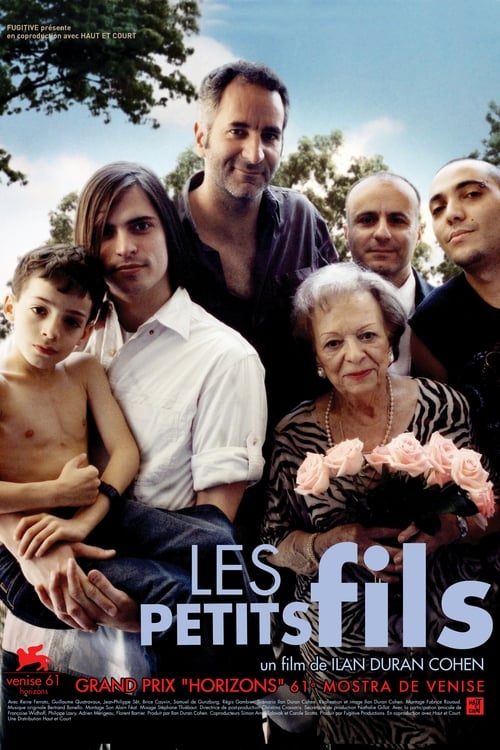
The Grand Sons
2004
No user ratings available yet
Diversity score: 4.9 out of 10

1994
RDirector
Bigas Luna
Runtime
86 minutes
Average Rating
No ratings yetSynopsis
A child does not stand the idea of having a new brother and dreams about drinking milk from the breasts of his mother again. The child asks the moon to bring him a tit only for him.
Overall Score
Fair
Category Breakdown
LGBTQ+ Representation
The film explores repressed desire and identity fluidity within a domestic setting. It disrupts heteronormative expectations by focusing on psychological longing and subverting traditional familial roles.
Gender Representation
The narrative centers the maternal experience, exploring the tension between female agency and social expectations of motherhood. It avoids the trope of the stable patriarch, focusing instead on fractured emotional landscapes.
Racial & Ethnic Diversity
Set in a Mediterranean context, the film maintains a relatively homogeneous cast. It avoids stereotypical depictions, focusing instead on localized cultural specificity consistent with its period.
Religious & Cultural Diversity
The film uses magical realism to critique the rigidity of traditional family structures. It prioritizes situational ethics and subjective morality through the eyes of a child.
Disability Representation
There are no prominent depictions of physical or neurodivergent disabilities that serve as central narrative drivers in this work.
Strengths
Areas for Improvement
AI Analysis
Bigas Luna’s film is a sophisticated exploration of human subjectivity that prioritizes psychological depth over didactic storytelling. It succeeds by disrupting conventional expectations of family dynamics and utilizing a non-linear, surrealist approach to deconstruct social structures. While the film lacks overt representation of queer identities or racial diversity, it excels in its nuanced character studies. It moves beyond simple tropes to examine the complexities of longing and the tension between biological roles and individual agency. Ultimately, the work functions as a critique of traditional Western institutions. By framing the domestic sphere through a child's perspective, it creates a rich, morally relativistic landscape that challenges standard narrative frameworks.
2004
1936

2004
2001
2003
2011

1975

2016

2014

2002
2004
1962
No reviews yet. Be the first to share your thoughts on this movie!
Use the rating form above to leave a star rating and optional review.