Call Me Helen
2015
No user ratings available yet
Representation score: 5.7 out of 10
Representation Score
Excellent
1997
RDirector
Alain Berliner
Runtime
88 minutes
Average Rating
No ratings yetNew Showbiz Analysis
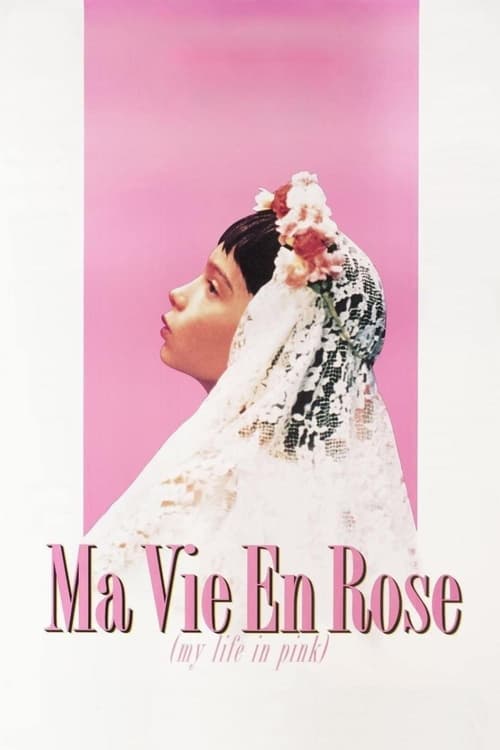
My Life in Pink is a sophisticated exploration of gender identity that challenges traditional gender norms. By focusing on a child's internal certainty, the film examines the structures that enforce gender binaries. The film excels in its critique of traditional masculinity and its refusal to treat gender nonconformity as a problem. It portrays the protagonist's journey as one of self-realization against societal pressures. While the film is groundbreaking for queer representation, its impact is limited by its localized setting. The homogeneous cast restricts its multi-layered scope, focusing primarily on gender dynamics within a specific European context.
Category Breakdown
The film focuses on a non-binary gender identity and offers a nuanced depiction of gender nonconformity that avoids stereotypes. Instead, it highlights the protagonist's lived experience.
The narrative challenges traditional gender roles by showing the rejection of masculine norms as an essential part of self-expression. It portrays traditional masculinity as a restrictive social construct.
As a localized Belgian drama, the film features a largely homogeneous cast. It lacks diverse casting or multi-layered racial dynamics within its specific European setting.
The story questions traditional institutions such as the nuclear family and school systems. It emphasizes the protagonist's personal truth over external moral judgments.
The film does not center a disability as a primary identity marker. However, it explores the psychological burden of feeling 'othered' and social isolation.
Present on Screen
Limited or Absent
Official Synopsis
Ludovic is waiting for a miracle. With six-year-old certainty, she believes she was meant to be a little girl -- and that the mistake will soon be corrected. But where she expects the miraculous, Ludo finds only rejection, isolation, and guilt -- as the intense reactions of family, friends, and neighbors strip away every innocent lace and bauble.
2015

2007

2012
2011
2020

2005

2014

2005
No reviews yet. Be the first to share your thoughts on this movie!
Use the rating form above to leave a star rating and optional review.