
Transpapa
2012
No user ratings available yet
Representation score: 8.9 out of 10
Representation Score
Excellent
2020
Director
Mårten Klingberg
Runtime
110 minutes
Average Rating
No ratings yetNew Showbiz Analysis
Mårten Klingberg’s film explores identity by focusing on a transgender journey within a traditional religious and familial setting. It effectively challenges the intersection of religious doctrine and gender expression. The narrative dismantles traditional masculine roles, particularly through the transformation of a male authority figure into a woman. This creates a compelling tension between established spiritual institutions and the fluidity of personal identity. While the film excels in exploring gender and LGBTQ+ themes, it lacks visible diversity in terms of race and disability, remaining a localized Swedish drama.
Category Breakdown
The film focuses on a transgender experience, where the main character's transition is central to the plot. This journey is not a side story but the core of the narrative.
The story challenges traditional gender roles by transforming a male authority figure into a woman. It questions the established structures of masculinity within religious and family contexts.
The film appears to be a localized Swedish drama. There is no explicit evidence of a diverse racial cast within the provided context.
The film critiques traditional Western institutions, presenting religious orthodoxy as a system that must adapt to personal truths and individual freedom.
There is no specific information available regarding the representation of neurodivergence or physical disabilities in this work.
Present on Screen
Limited or Absent
Official Synopsis
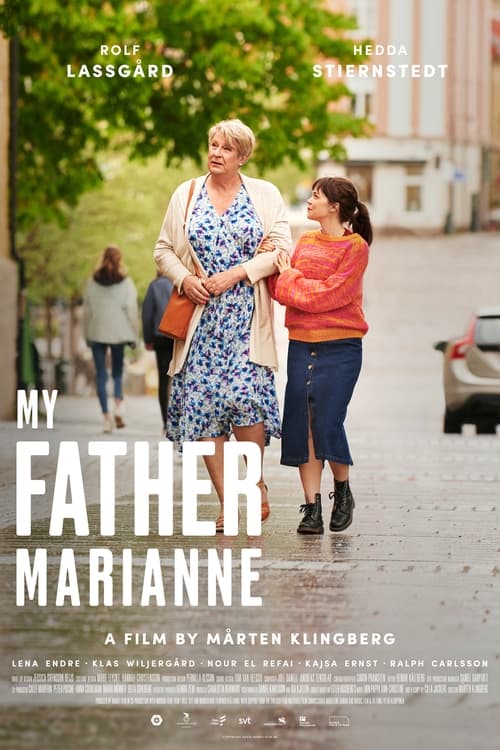
Hanna's world turns upside down when her dad, the priest, reveals that he wants to be a woman.
2012

1997
2024
2013
2015

2005

2017

2014
No reviews yet. Be the first to share your thoughts on this movie!
Use the rating form above to leave a star rating and optional review.