
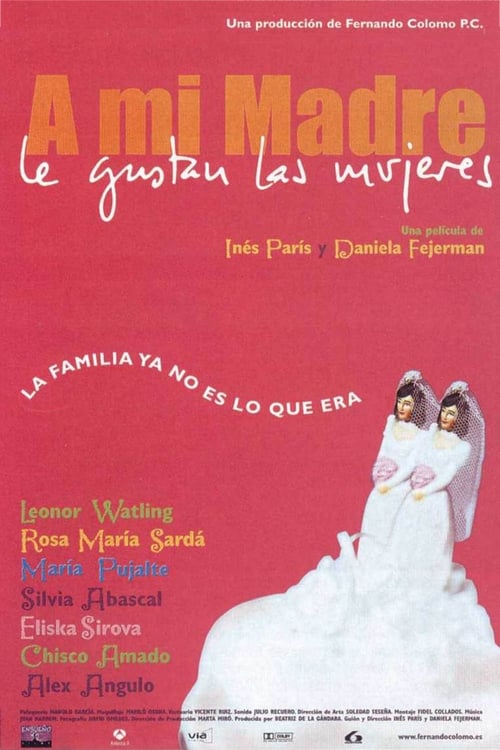
Transpapa
2012
No user ratings available yet
Representation score: 8.9 out of 10
Representation Score
Good
2002
Director
Inés París, Daniela Féjerman
Runtime
93 minutes
Average Rating
No ratings yetNew Showbiz Analysis
The film stands out by exploring unconventional family dynamics and prioritizing queer discovery and individual ability to act. However, the scope of diversity is somewhat limited, with a largely homogeneous cast within a specific cultural context. The film offers a fresh take on traditional domestic dramas by emphasizing personal growth and non-conventional relationships.
Category Breakdown
The film focuses its entire story on a queer relationship, highlighting a mother's romance with another woman and challenging traditional expectations of maternal roles.
Sofia's mid-life change in behavior subverts the stereotype of the selfless female caregiver. Her daughters' varied responses show a range of emotional reactions and personal ability to act.
The film includes a Czech character, expanding the cultural landscape despite a largely homogeneous cast.
The story examines the tension between preserving traditional family life and pursuing individual freedom. Sol's rock music underscores a move towards secular, individualistic expression.
There is no explicit evidence of characters navigating physical or neurodivergent disabilities. Elvira's nervous breakdown suggests psychological distress, though its framing remains unclear.
Present on Screen
Limited or Absent
Official Synopsis
Sofia introduces her three adult daughters to her new lover who is their age and happens to be a woman. The women, in particular Elvira find it extremely difficult to accept their mothers sudden apparent sexual reversal. The news pushes the neurotic Elvira to the point of nervous breakdown. Sol, the youngest daughter, writes a lude rock song about it and performs in front of them at a concert. The daughters plot together on how to get their mothers new girlfriend, a native Czech, and brilliant pianist, out of her life. Their plot goes terribly wrong and turns the film from a light-hearted comedy, into mildly amusing drama.
2012

1997
1998

1991

2019

1998

2020
2004
No reviews yet. Be the first to share your thoughts on this movie!
Use the rating form above to leave a star rating and optional review.