
Till the End of the World
2018
No user ratings available yet
Representation score: 4.4 out of 10
Representation Score
Fair
2009
PGDirector
Karim Dridi
Runtime
98 minutes
Average Rating
No ratings yetNew Showbiz Analysis
The film stands out due to its strong female lead, Marie Vallières de Beaumont, who takes charge in a high-stakes survival situation. This proactive role challenges many traditional adventure stories by emphasizing her goals and abilities. However, the core romantic and social structures remain traditional. The story focuses on Western protagonists navigating a non-Western landscape, offering some cultural complexity but adhering to conventional patterns. Overall, the film presents a nuanced look at character autonomy in a challenging environment, though it lacks significant representation of diverse identities or non-traditional social structures.
Category Breakdown
The story focuses on a heterosexual relationship between Marie Vallières de Beaumont and Bill Lancaster. There is no indication of characters with non-binary gender identities.
Marie Vallières de Beaumont plays a significant role in driving the story, showing strong independence and leadership. Her partnership with Lieutenant Antoine Chauvet highlights mutual competence and survivalist equality, avoiding traditional damsel-in-distress clichés.
The film features a mix of European and North African identities set in the Sahara. While the main characters are Westerners, the story engages with local populations and diverse ethnic backgrounds.
The movie examines the fragility of colonial-era structures in the face of the desert's harsh realities. By focusing on the vulnerability of travelers in a non-Western landscape, it moves away from triumphalist Western perspectives.
There is no documented evidence regarding the portrayal of physical or neurodivergent disabilities in this work.
Present on Screen
Limited or Absent
Official Synopsis
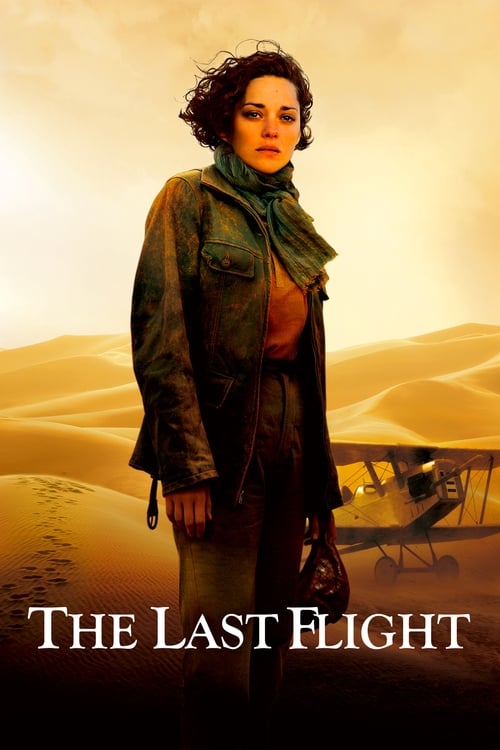
Aviator Marie Vallières de Beaumont goes on a journey to find her lover Bill Lancaster after his plane disappears in the Sahara. After her plane is forced down in the Ténéré she meets Lieutenant Antoine Chauvet of the French Camel Corps who joins in the hunt for Lancaster. As the two endure hardships in the desert, they begin to develop feelings for each other.
2018
1967
1921
1959

1993

1990

2011

1939
No reviews yet. Be the first to share your thoughts on this movie!
Use the rating form above to leave a star rating and optional review.