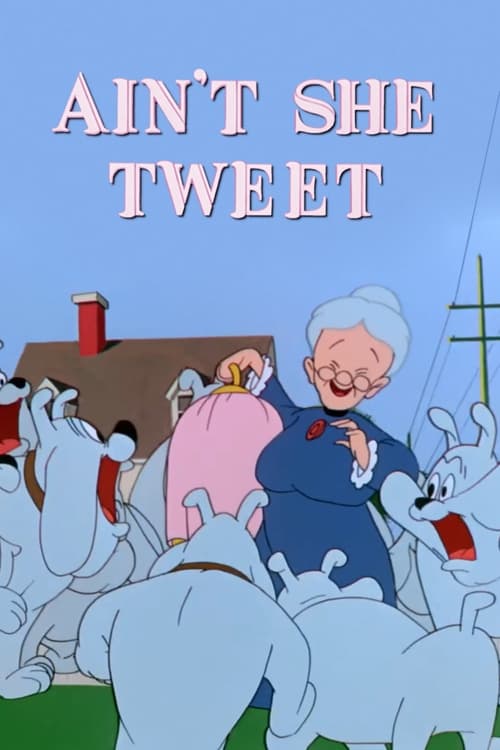
Ain't She Tweet
1952
No user ratings available yet
Diversity score: 1.5 out of 10

1945
Director
Frank Tashlin
Runtime
7 minutes
Average Rating
No ratings yetSynopsis
Babitt and Catstello return; their goal: steal the cheese the cat is guarding.
Overall Score
Minimal
Category Breakdown
LGBTQ+ Representation
The film lacks any depiction of non-heteronormative identities or same-sex intimacy. The narrative focuses entirely on a traditional animal-based conflict.
Gender Representation
There are no gendered character arcs or subversions of gender hierarchies present. The central conflict is defined by species roles rather than gender dynamics.
Racial & Ethnic Diversity
The story utilizes anthropomorphic animals to drive the plot. There is no specific evidence of racial or ethnic allegories within the narrative framework.
Religious & Cultural Diversity
The plot explores social friction through a struggle over resources. However, it lacks any systemic critique or deconstruction of cultural institutions.
Disability Representation
No characters are depicted with visible or invisible disabilities. There is no evidence of neurodivergence or physical impairment used as a narrative device.
Strengths
Areas for Improvement
AI Analysis
A Tale of Two Mice is a traditional animated short centered on a classic adversarial structure. The plot follows Babitt and Catstello as they attempt to steal cheese from a guarding cat, prioritizing physical comedy over social commentary. The film functions as a genre-standard slapstick piece. It lacks any demonstrable progressive representation, intersectional complexity, or identity-based themes, focusing instead on the kinetic movement of its animal characters. Because the narrative is confined to a simple predator-versus-prey dynamic, it offers no meaningful engagement with diverse human experiences or social hierarchies.
1952
1946
1950
1936
1943
1938
1947
1953
1937
1949
1942
1947
No reviews yet. Be the first to share your thoughts on this movie!
Use the rating form above to leave a star rating and optional review.