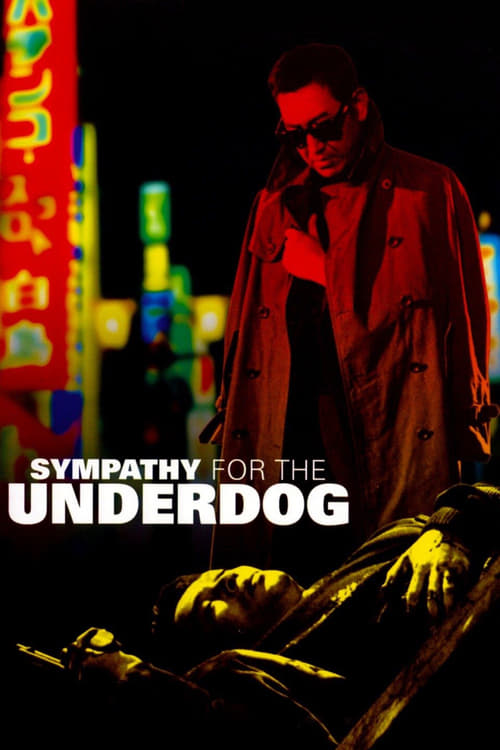
Sympathy for the Underdog
1971
No user ratings available yet
Representation score: 5.4 out of 10
Representation Score
Minimal
1992
Director
Kinji Fukasaku
Runtime
108 minutes
Average Rating
No ratings yetNew Showbiz Analysis
Kinji Fukasaku’s *The Triple Cross* is a genre-driven period drama that emphasizes the tension of wartime espionage over social representation. The film adheres to the patriarchal and military structures of the mid-20th century, offering limited space for diverse identities. While the film examines the ethnic tensions between Japanese, German, and Allied forces, these dynamics arise from historical context rather than intentional deconstruction. The narrative’s strength lies in its moral ambiguity rather than broad demographic diversity. Ultimately, the film remains rooted in conventional demographic structures, focusing on the erosion of traditional social orders during wartime.
Category Breakdown
The film does not include any LGBTQ+ characters or themes. The storyline centers around strict military and intelligence operations without addressing LGBTQ+ issues.
The story focuses on a male-dominated military structure. Female characters are either absent or play minor roles, reinforcing traditional gender roles.
The film showcases a mix of Japanese, German, and Allied identities during wartime. These representations are shaped by historical military alliances.
The narrative delves into moral ambiguity by focusing on a double agent. It highlights wartime institutions as places of betrayal and systemic instability.
The film does not feature any characters with visible or invisible disabilities. Disability is not a focal point in the story.
Present on Screen
Limited or Absent
Official Synopsis
Following the bloody aftermath of a heist, three robbers are double-crossed by a new accomplice, who is then tracked down amid escalating carnage and spectacular car chases.
1971
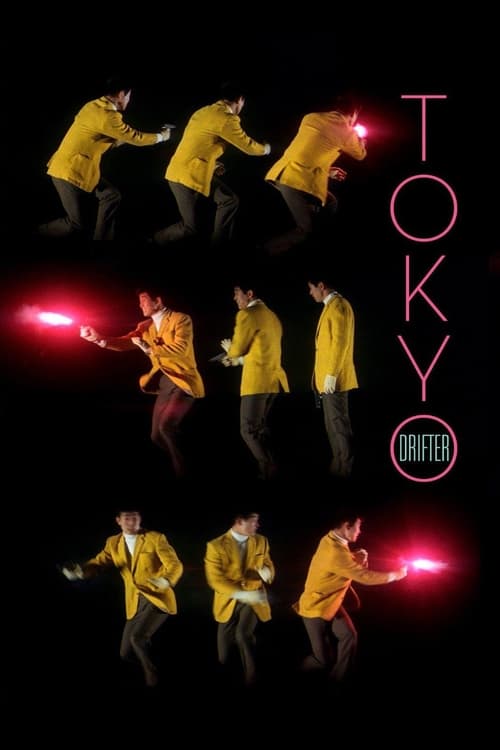
1966
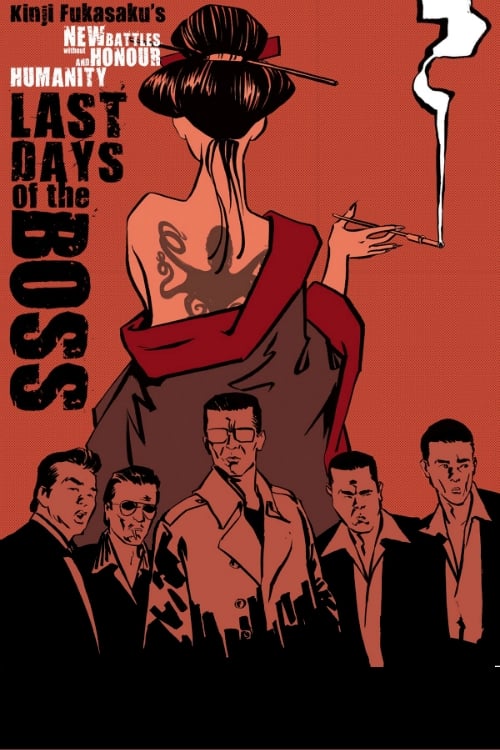
1976

1967
1978

1984

1976

1989
No reviews yet. Be the first to share your thoughts on this movie!
Use the rating form above to leave a star rating and optional review.