The Day Pedro Infante Died
1982
No user ratings available yet
Representation score: 6.0 out of 10
Representation Score
Limited
1985
Director
Miguel Ángel Díez
Runtime
94 minutes
Average Rating
No ratings yetNew Showbiz Analysis
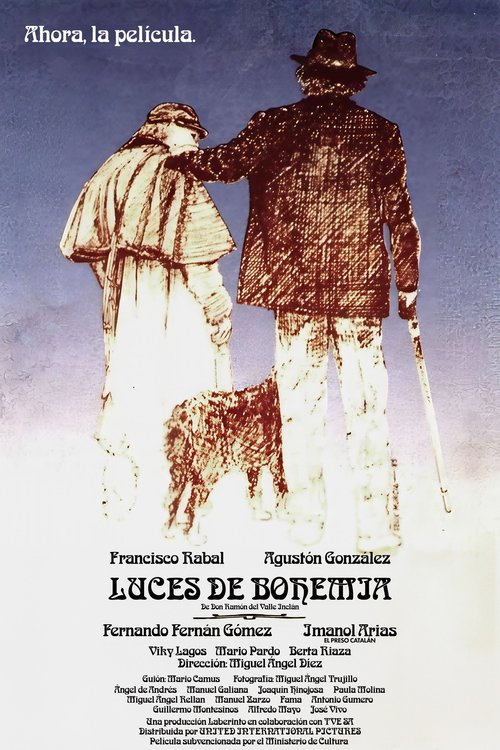
Bohemian Nights is a traditional dramatic study focusing on intellectual isolation and the existential struggles of individuals. The film relies heavily on the historical and literary context of its Spanish subjects, resulting in a largely homogeneous demographic profile. While the film lacks modern multi-layered markers or diverse casting, it delves into themes that critique established social norms and institutional stability. It uses the bohemian lifestyle to challenge formal societal structures. Ultimately, the film prioritizes the internal truths of the artist over broad representation of diverse identities.
Category Breakdown
The film examines bohemian lifestyles and unconventional social roles. There is no clear depiction of same-sex relationships or queer-coded narratives in the story.
The narrative focuses on a male-dominated intellectual circle centered around the poet and his male peers, reflecting a traditional patriarchal structure.
The setting and casting reflect the homogeneous demographic of the time. The film stays true to the specific cultural context of its Spanish literary figures.
The film critiques established social norms through the lens of bohemian life. It expresses skepticism towards traditional power structures and existential disillusionment.
There are no visible or invisible disabilities mentioned in the narrative. No specific character information is available to assess this category.
Present on Screen
Limited or Absent
Official Synopsis
In the empty house of his family, Ramon, a poet, remembers the last day of the life of his master: the last time he went out with his friend don Latino de Hispalis, his talk with a minister and his dinner with Ruben Dario.
1982
2016
1992
2008
1971

2015

1994

2015
No reviews yet. Be the first to share your thoughts on this movie!
Use the rating form above to leave a star rating and optional review.