Total Eclipse
1995
No user ratings available yet
Representation score: 4.5 out of 10
Representation Score
Good
2008
RDirector
Paul Morrison
Runtime
112 minutes
Average Rating
No ratings yetNew Showbiz Analysis
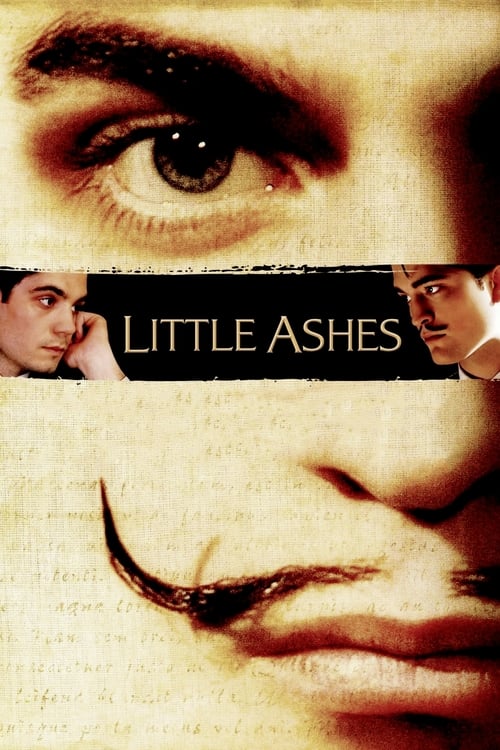
Little Ashes stands out as a historical drama by emphasizing the emotional and sexual lives of its queer protagonists. By focusing on the relationship between Lorca and Dalí, the film avoids typical biographical clichés and examines the conflict between personal identity and systemic oppression. The production effectively uses the historical context of 1930s Spain to critique the oppressive nature of religious and conservative institutions. It presents the era's political instability as a direct threat to individual ability to act and unconventional lifestyles. While the film is centered in a specific, male-dominated intellectual circle, it uses this setting to deconstruct traditional masculinity. The absence of strong women's ability to drive the story is reflective of the historical period rather than a flaw in the narrative.
Category Breakdown
The film focuses on the romantic and sexual tension between Federico García Lorca and Salvador Dalí, exploring their intimate relationship as a central theme. It goes beyond mere hints to delve into the realities of queer identity and intimacy.
The story unfolds within a male-dominated intellectual environment but challenges traditional hierarchies by showing the vulnerabilities of the main characters. It breaks down rigid gender roles through the tension between performative masculinity and inner identity.
The cast is predominantly white, reflecting the specific historical figures of the Spanish avant-garde movement. The film offers a detailed look at Spanish cultural heritage without resorting to typical whitewashed period pieces.
The film criticizes how religious dogma and conservative social structures suppress individual expression. It depicts the Spanish Civil War as a force that sidelines and destroys personal ability to act.
There are no significant representations of visible or invisible disabilities within the main storyline.
Present on Screen
Limited or Absent
Official Synopsis
About the young life and loves of artist Salvador Dalí, filmmaker Luis Buñuel and writer Federico García Lorca.
1995
2003

2013
2012
2013
1986
2004

1998
No reviews yet. Be the first to share your thoughts on this movie!
Use the rating form above to leave a star rating and optional review.