
Dolores
2016
No user ratings available yet
Representation score: 5.3 out of 10
Representation Score
Limited
2015
Director
Fernando González Molina
Runtime
164 minutes
Average Rating
No ratings yetNew Showbiz Analysis
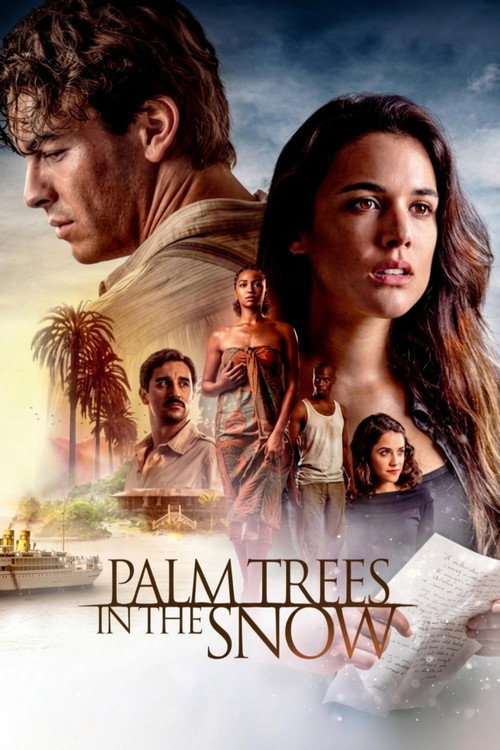
Palm Trees in the Snow is a traditional romantic drama that emphasizes emotional connections and scenic beauty over social critique. While the setting introduces themes of post-colonial connection and the mix of European and African histories, the film sticks to conventional storytelling methods. The narrative focuses on personal identity and family history, avoiding deconstruction of social hierarchies. Characters navigate historical landscapes, but the perspective remains centered on European protagonists. Overall, the film uses its unique geographical backdrop to enhance a standard romantic storyline rather than to introduce a progressive narrative structure.
Category Breakdown
The film follows traditional heterosexual storylines and does not include characters with non-binary gender identities or same-sex relationships.
Clarence drives the plot through her investigative work, but the film adheres to traditional romantic storylines without challenging gender hierarchies.
The story explores the blend of Spanish and Equatorial Guinean heritage, but the main characters and their ability to act remain focused on European figures.
The narrative centers on personal ancestry and family legacies, maintaining a conventional approach to morality without challenging Western cultural norms.
There are no visible or invisible disabilities portrayed as central to the character arcs or plot progression.
Present on Screen
Limited or Absent
Official Synopsis
Spain, 2003. An accidental discovery leads Clarence to travel from the snowy mountains of Huesca to Equatorial Guinea, to visit the land where her father Jacobo and her uncle Kilian spent most of their youth, the island of Fernando Poo.
2016

2010

2004

2011
2006
1983

2008
2004
No reviews yet. Be the first to share your thoughts on this movie!
Use the rating form above to leave a star rating and optional review.