
Vida y color
2005
No user ratings available yet
Representation score: 7.4 out of 10
Representation Score
Excellent
2015
Director
Ramon Luque
Runtime
0 minutes
Average Rating
No ratings yetNew Showbiz Analysis
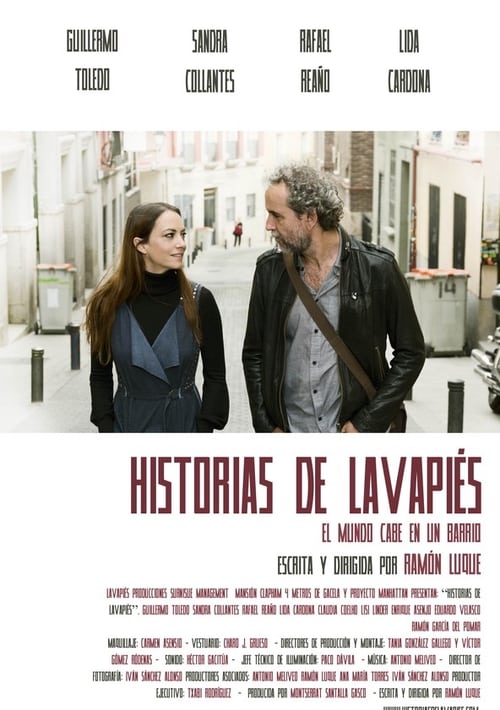
Ramon Luque’s documentary serves as a sociological study of one of Madrid's most multicultural districts. By focusing on Lavapiés, the film inherently disrupts homogeneous depictions of Spanish urban life, replacing monolithic national identities with a complex, layered view of coexistence. The film excels in racial and cultural representation, using its setting to grant significant roles to non-white perspectives. It functions as a critique of systemic institutions by highlighting the resilience and subjective morality of a underrepresented community. However, the documentary lacks specific evidence regarding disability or dedicated LGBTQ+ political arcs. While the setting suggests organic inclusivity, the narrative does not appear to center these specific identities as primary drivers of the story.
Category Breakdown
The film likely captures the organic presence of LGBTQ+ identities within this specific urban enclave. However, it lacks explicit narrative focus on LGBTQ+ political arcs.
The observational style provides a platform for women's voices within immigrant and working-class communities. It centers the domestic and communal roles of women in a underrepresented context.
The narrative is built upon the intersection of diverse ethnic identities. By centering Lavapiés, the film prioritizes non-white perspectives and validates the presence of characters of color.
The framework critiques traditional Western urban structures by documenting the social fabric of a underrepresented neighborhood. It prioritizes lived community truths over nationalist narratives.
While the film captures realities of physical and economic hardship, there is no evidence that neurodivergence or specific disabilities are central to the subjects' narrative roles.
Present on Screen
Limited or Absent
2005
2015

2024

2012
2021

2008
2017
2008
No reviews yet. Be the first to share your thoughts on this movie!
Use the rating form above to leave a star rating and optional review.