
Air Doll
2009
No user ratings available yet
Representation score: 7.7 out of 10
Representation Score
Limited
1962
Director
Arne Mattsson
Runtime
96 minutes
Average Rating
No ratings yetNew Showbiz Analysis
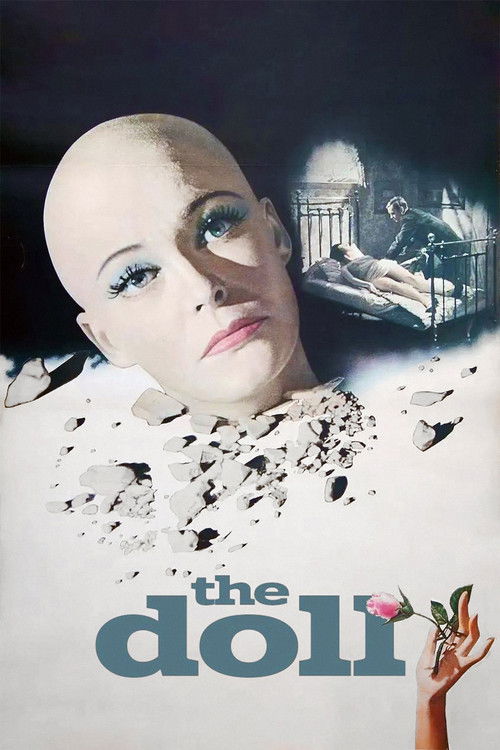
The Doll is a period-specific psychological thriller that prioritizes surrealism and suspense over social commentary. Its narrative structure focuses on individual madness and obsession, limiting engagement with broader identity politics. The film adheres to the demographic and social norms of 1962 Swedish cinema, lacking intentional efforts to represent diverse identities or challenge the status quo. Ultimately, the film’s fantasy elements disrupt reality but do not serve to dismantle systemic hierarchies or promote progressive representation.
Category Breakdown
The film lacks LGBTQ+ characters or narratives. The central plot focuses on a man's psychological obsession with a mannequin rather than exploring queer identity.
The story centers on a female character who starts as a passive object of male desire. Traditional clichés of a mysterious woman are used throughout the narrative.
The cast and setting reflect the demographic homogeneity of 1960s Sweden. There is no evidence of non-white casting or diverse ethnic representation.
The film explores individual psychological tension without critiquing systemic issues. It uses a consumerist setting as a backdrop without examining social or religious structures.
The protagonist's fixation suggests a psychological condition but serves primarily as a suspense cliché. There is no evidence of nuanced mental health representation.
Present on Screen
Limited or Absent
Official Synopsis
A lonely nightwatchman at a department store develops a fixation on one of the store's mannequins. He soon steals her and takes her to his home, where he can be with her all the time. One day, she comes to life...
2009
1973

1988

1978

1970
1988
1987

1955
No reviews yet. Be the first to share your thoughts on this movie!
Use the rating form above to leave a star rating and optional review.