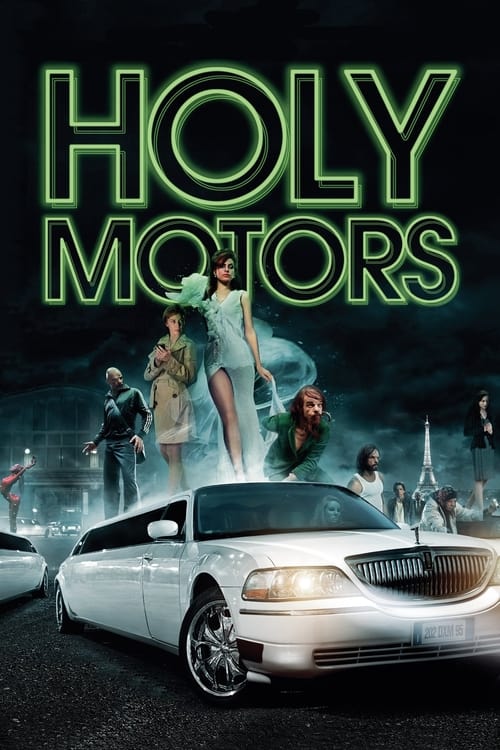
Holy Motors
2012
No user ratings available yet
Diversity score: 5.8 out of 10
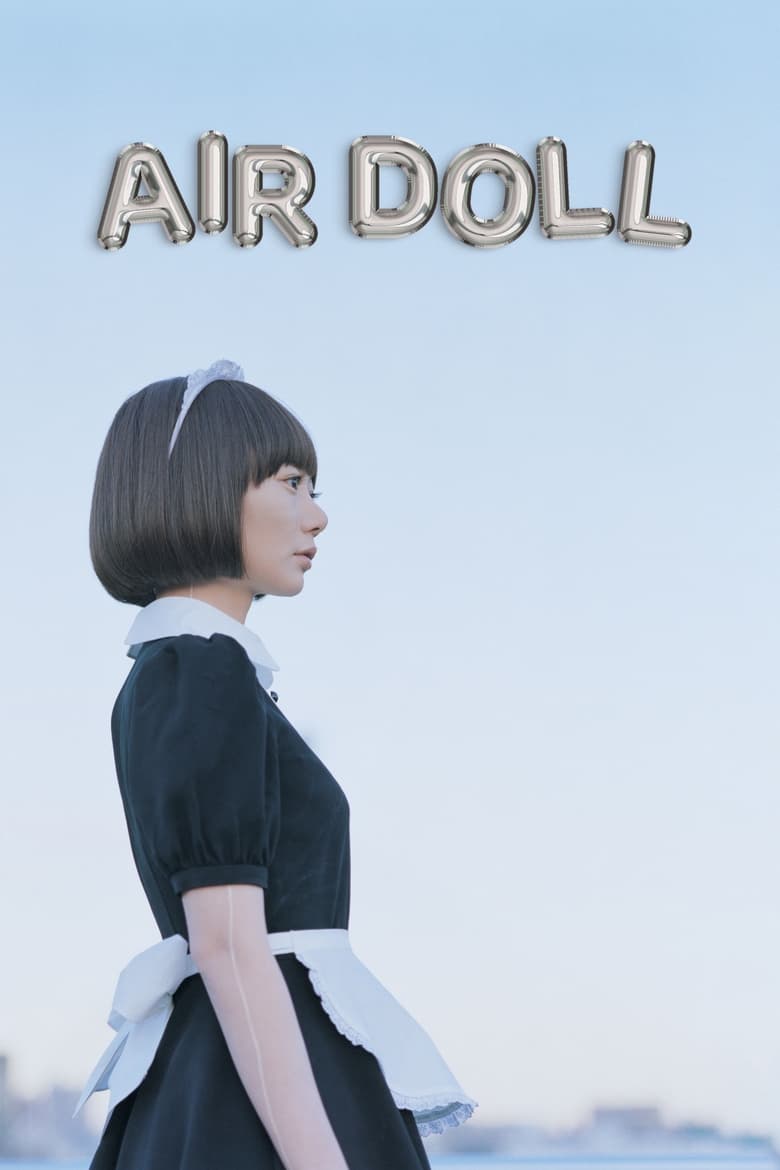
2009
NRDirector
Hirokazu Kore-eda
Runtime
112 minutes
Average Rating
No ratings yetSynopsis
A life-size, inflatable sex doll suddenly comes to life one day. Without her owner knowing, she goes for a walk around town and falls in love with Junichi. She starts to date Junichi and gets a job at the same store where he works. Everything seems to be going perfectly for her until something unexpected happens.
Overall Score
Fair
Category Breakdown
LGBTQ+ Representation
The film lacks explicit queer narrative arcs or non-heteronormative romantic structures. It focuses instead on the transactional and emotional connections between the protagonist and various male figures.
Gender Representation
Suzu’s perspective subverts traditional hierarchies by navigating a world built on male desire. The narrative critiques gendered interactions and explores how masculinity is often defined by isolation.
Racial & Ethnic Diversity
The cast is relatively homogeneous, reflecting a localized study of Japanese urban life. It avoids Western-centric tropes by focusing on the specific socioeconomic textures of Tokyo.
Religious & Cultural Diversity
The film excels by critiquing capitalist structures and social atomization. It presents a sophisticated, secular view of existence, treating sex work through a lens of human necessity.
Disability Representation
The protagonist serves as a metaphor for the 'othered' body. The film explores the existential experience of a being fundamentally different from the biological norm.
Strengths
Areas for Improvement
AI Analysis
Hirokazu Kore-eda’s *Air Doll* is a postmodern meditation on identity and personhood. It uses magical realism to explore the boundaries between the artificial and the sentient within a hyper-commercialized Tokyo. The film finds its strength in its humanist approach to marginalized existence. By centering on a non-human entity, it deconstructs traditional morality and examines the systemic loneliness of urban life. However, the film remains culturally specific and lacks explicit representation of LGBTQ+ identities or racial diversity. Its focus is deeply localized to the Japanese experience.
2012
1990

2010
2004
1962

2017

1999

2016
2015

2010

2012
2013
No reviews yet. Be the first to share your thoughts on this movie!
Use the rating form above to leave a star rating and optional review.