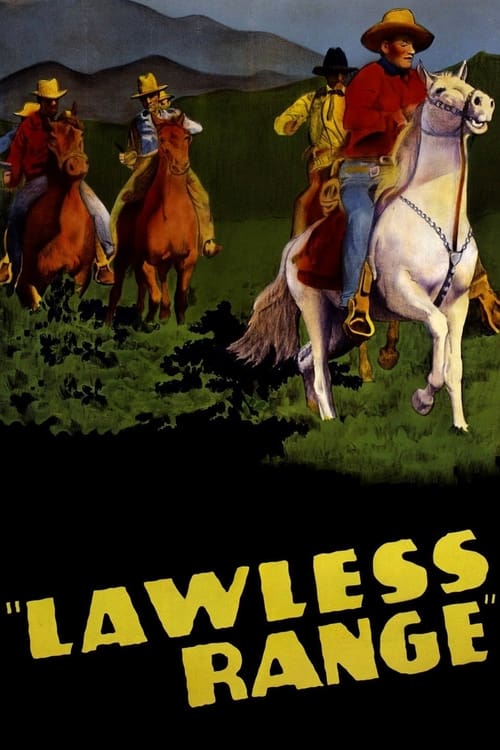
Lawless Range
1935
No user ratings available yet
Diversity score: 1.6 out of 10

1935
GDirector
Robert N. Bradbury
Runtime
59 minutes
Average Rating
No ratings yetSynopsis
John Clark (Bob Steele) and his deaf pal, Bootch Collum (Buck Connors), are trailed by U. S. Marshal Lamar Bly (Jack Rockwell)...
Overall Score
Limited
Category Breakdown
LGBTQ+ Representation
The film follows a standard heteronormative framework typical of 1930s Westerns. There is no evidence of non-cisnormative identities or same-sex intimacy.
Gender Representation
Narrative focus centers on male agency and frontier survival. Female characters appear to function within conventional roles rather than challenging masculine leadership.
Racial & Ethnic Diversity
The film reflects the homogeneous casting standards of the 1930s. It centers on Anglo-Saxon protagonists without documented evidence of racial blending.
Religious & Cultural Diversity
The story reinforces foundational American frontier myths. It aligns with traditional Western values and lacks any anti-Western or secularist sentiment.
Disability Representation
The inclusion of a deaf companion provides notable representation for the era. While the character has agency, he remains tied to sidekick archetypes.
Strengths
Areas for Improvement
AI Analysis
Alias John Law is a quintessential 1930s B-Western that prioritizes genre conventions over social subversion. The film operates within a rigid framework of traditional masculinity and Anglo-centric storytelling, offering little in the way of diverse perspectives or identity exploration. The most significant departure from total invisibility is the inclusion of a character with a hearing impairment. This provides a baseline for disability representation, even if the character is framed through a traditional sidekick lens. Ultimately, the film serves as a reinforcement of the era's social hierarchies rather than a critique of them.
1935
1937
1931
1935
1935
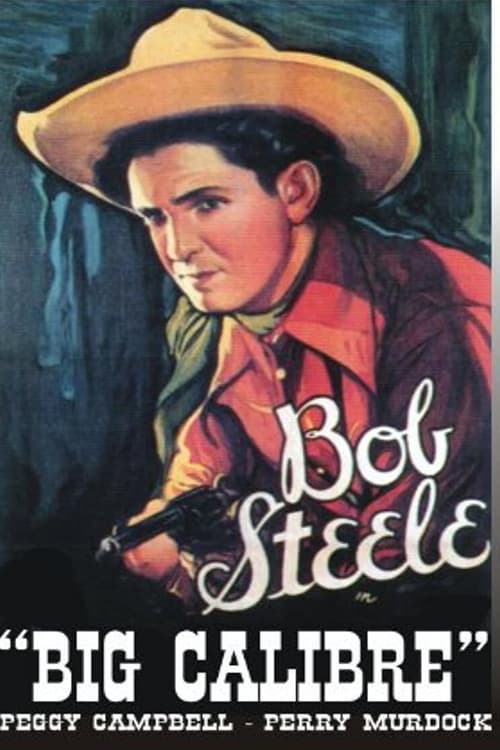
1935
1935
1946
1944
1944
1930
1937
No reviews yet. Be the first to share your thoughts on this movie!
Use the rating form above to leave a star rating and optional review.