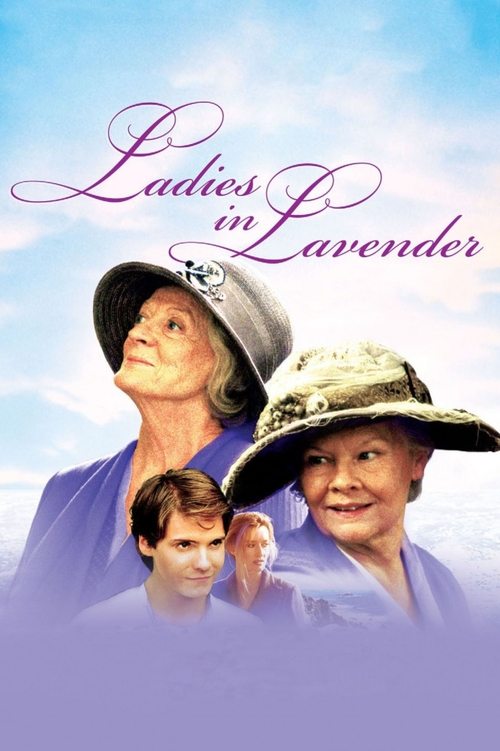
Ladies in Lavender
2004
No user ratings available yet
Representation score: 4.1 out of 10
Representation Score
Limited
2010
PG-13Director
Neil Jordan
Runtime
111 minutes
Average Rating
No ratings yetNew Showbiz Analysis
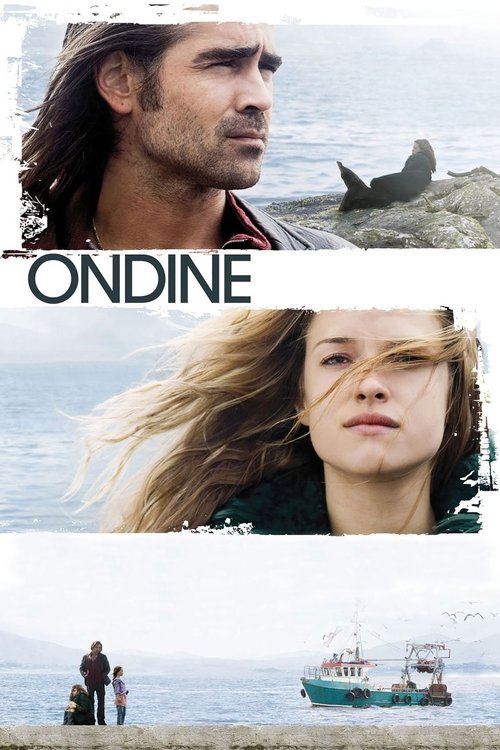
Ondine is a reflective character study that prioritizes atmospheric, lyrical storytelling over the exploration of diverse identities. The film leans towards traditional frameworks, focusing on individual psychological recovery and localized Irish folklore. While the protagonist offers a nuanced look at male vulnerability, the film lacks breadth in its representation of race, gender roles, and sexual orientation. The narrative remains centered on a homogeneous, straight-centered worldview. Ultimately, the film functions as a personal drama where social or systemic critiques are absent, favoring a sense of individual destiny and mythic timelessness.
Category Breakdown
The film adheres to a traditional assumption that everyone is straight or cisgender. It does not include any LGBTQ+ characters or explore diverse sexual identities.
Syracuse's vulnerability subverts the typical stoic fisherman stereotype, but the narrative centers on his perspective. Ondine mainly serves as a catalyst for his emotional journey.
Set in a rural Irish community, the cast is very homogeneous. The film lacks non-white characters, focusing solely on a localized demographic.
The story emphasizes personal struggles rather than critiquing Western institutions or religion. Folklore enhances the timeless feel rather than challenging societal structures.
Annie’s kidney issues drive the emotional stakes of the plot. However, the condition is used to evoke sympathy rather than offering a nuanced exploration of living with a disability.
Present on Screen
Limited or Absent
Official Synopsis
On the coast of Cork, Syracuse is a divorced fisherman who has stopped drinking. His precocious daughter Annie has failing kidneys. One day, he finds a nearly-drowned young woman in his net; she calls herself Ondine and wants no one to see her. He puts her up in an isolated cottage that was his mother's. Annie discovers Ondine's presence and believes she is a selkie, a seal that turns human while on land. Syracuse is afraid to hope again.
2004

2020
2011

2019
1994
2006
2020

2004
No reviews yet. Be the first to share your thoughts on this movie!
Use the rating form above to leave a star rating and optional review.