
Being Two Isn't Easy
1962
No user ratings available yet
Diversity score: 4.0 out of 10
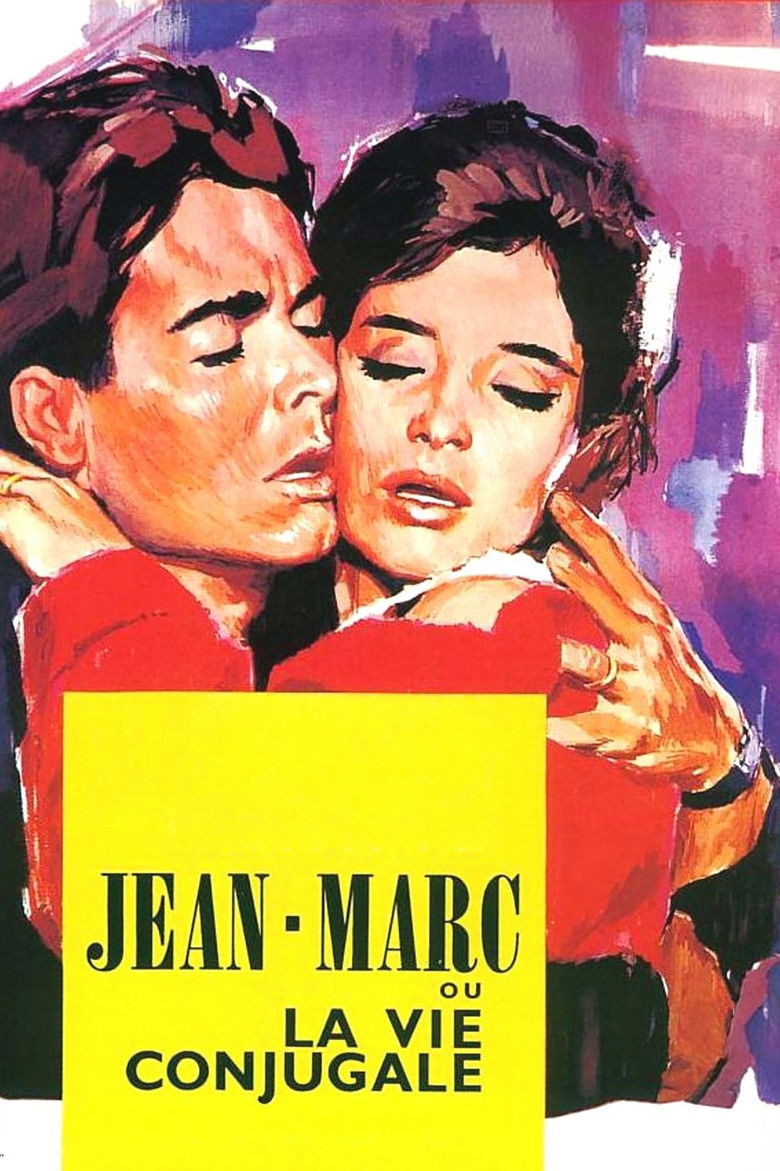
1964
Director
André Cayatte
Runtime
94 minutes
Average Rating
No ratings yetSynopsis
The story of the couple from the very first meeting to break up told from a view of a man, Jean-Marc. The film shares the same plot with "Françoise ou La vie conjugale", that tells the same story from another perspective.
Overall Score
Limited
Category Breakdown
LGBTQ+ Representation
The film centers on a heterosexual domestic partnership. There are no documented queer narratives or non-cisnormative identities within the primary plot.
Gender Representation
The narrative structure is progressive for 1964, using a bifurcated perspective to challenge a dominant male viewpoint. This approach presents women as active participants in their own reality.
Racial & Ethnic Diversity
The film appears to focus on a localized, homogeneous social unit. There is no evidence of significant racial or ethnic diversity in the central cast.
Religious & Cultural Diversity
The film critiques the stability of the traditional Western family unit. It achieves this by framing marital truth as something fragmented and debatable.
Disability Representation
No specific depictions of disability are noted. There is no evidence of characters being used as plot devices or subjects of mockery.
Strengths
Areas for Improvement
AI Analysis
André Cayatte’s film is a study of interpersonal subjectivity rather than demographic breadth. Its primary strength lies in its structural attempt to dismantle a singular, patriarchal narrative through dual-perspective storytelling. While the film lacks modern intersectional variety, it uses its unique architecture to deconstruct the sanctity of marriage. By offering a male-centric view alongside a female-centric counterpart, it challenges the idea of an objective truth in domestic life. However, the work remains rooted in the era's social realism, focusing on a homogeneous social unit. It lacks the racial, ethnic, and queer representation required by contemporary standards.
1962

1961

2007

1965

1965

1984
1994
1954
1964
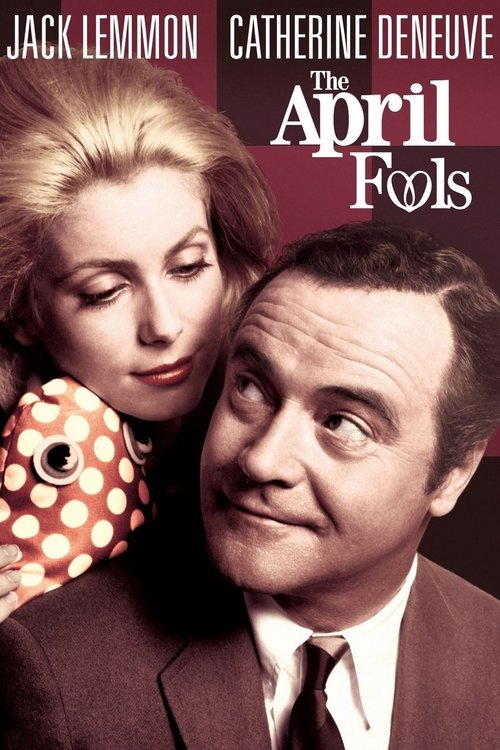
1969

2004

1984
No reviews yet. Be the first to share your thoughts on this movie!
Use the rating form above to leave a star rating and optional review.