
No Thanks
2014
No user ratings available yet
Diversity score: 2.0 out of 10

1965
Director
Yorgos Tzavellas
Runtime
105 minutes
Average Rating
No ratings yetSynopsis
When a man decides to marry the woman he's been living with, she stops being the silent patient person she was and claims to be the boss in the house. Her behaviour changes so much after the marriage that the husband gets so irritated as to ask for a divorce even a few hours later..
Overall Score
Fair
Category Breakdown
LGBTQ+ Representation
The film focuses exclusively on a heterosexual marital contract. There is no evidence of queer narratives or non-heteronormative identities within the story.
Gender Representation
The narrative subverts traditional hierarchies by centering on a woman reclaiming her agency. It portrays masculine authority as fragile when faced with a partner who rejects submissiveness.
Racial & Ethnic Diversity
Reflecting its 1965 Greek production context, the film depicts a homogeneous cultural environment. It lacks intersectional racial casting or diverse ethnic representation.
Religious & Cultural Diversity
The story critiques Mediterranean institutional norms by framing marriage as a site of instability. It challenges established social contracts through domestic conflict.
Disability Representation
There is no documented evidence of characters with physical or neurodivergent disabilities in this work.
Strengths
Areas for Improvement
AI Analysis
The film serves as a mid-century critique of patriarchal domestic structures. It gains its primary merit from deconstructing the submissive female archetype, showing how traditional power dynamics collapse when a woman asserts dominance. However, the work is limited by its era and cultural context. It lacks representation of LGBTQ+ identities and presents a racially homogeneous world typical of 1960s Greek cinema. Ultimately, the film is a study of gendered power shifts rather than a broad exploration of intersectional diversity.
2014
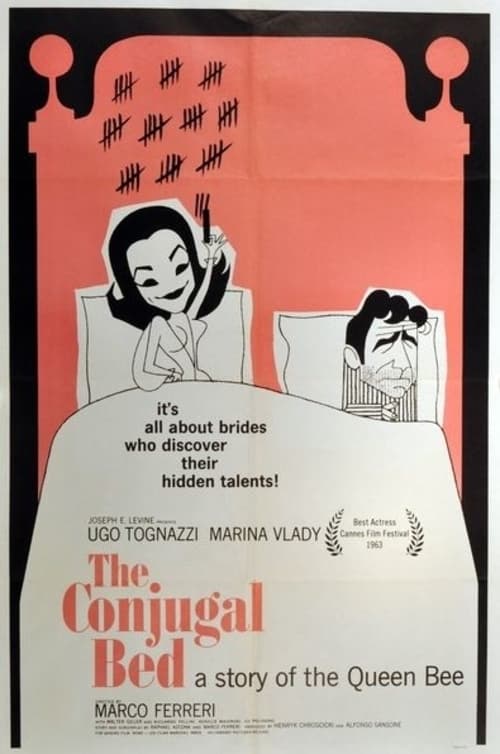
1963

2021

1968
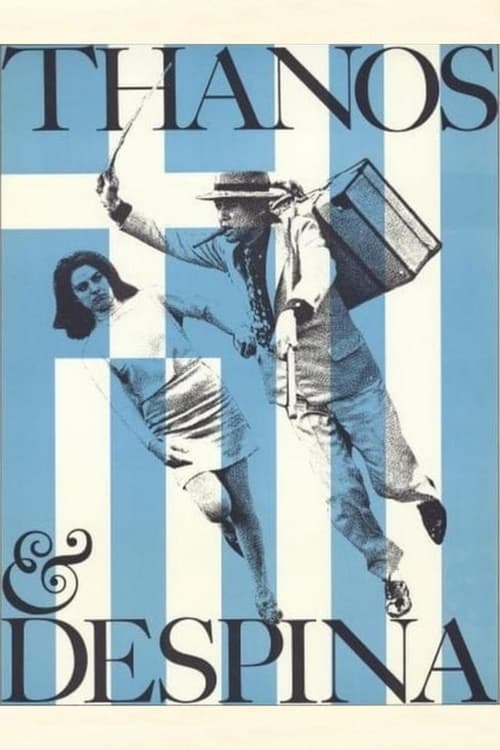
1967
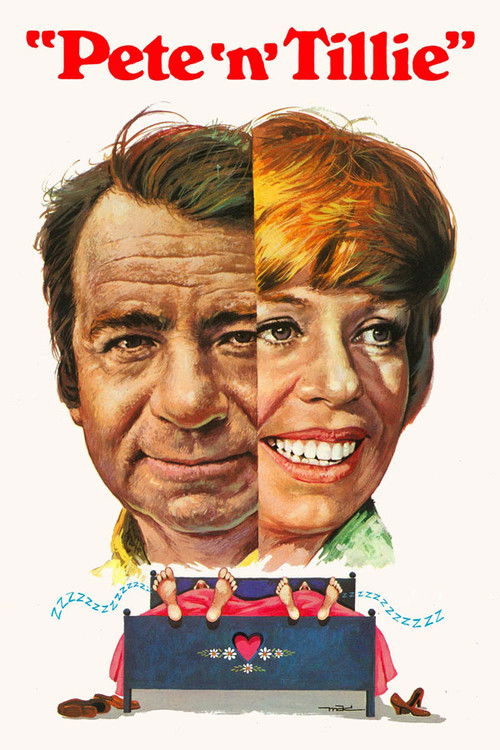
1972

2013
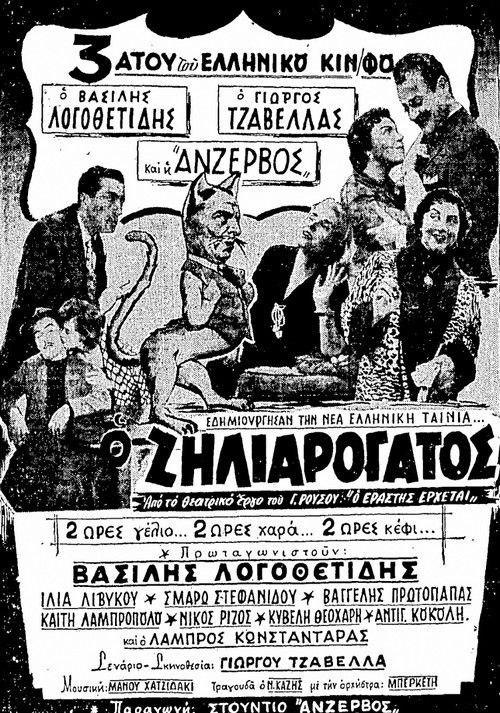
1956
No reviews yet. Be the first to share your thoughts on this movie!
Use the rating form above to leave a star rating and optional review.