
The Temple of Venus
1923
No user ratings available yet
Diversity score: 3.6 out of 10

1926
Director
Rouben Mamoulian
Runtime
7 minutes
Average Rating
No ratings yetSynopsis
Produced by the Eastman Kodak Company and shot in a then-experimental process, two-color Kodachrome, Martha Graham's dance "The Flute of Krishna" is performed by students from the Eastman School of Music. It's likely (but unconfirmed) that the film was directed by an uncredited Rouben Mamoulian.
Overall Score
Fair
Category Breakdown
LGBTQ+ Representation
The film lacks explicit narrative indicators regarding sexual orientation or gender identity. There is no verifiable evidence of non-cisnormative identities or critiques of heteronormativity.
Gender Representation
The performance features a mix of male and female dancers from the Eastman School of Music. The representation follows standard ensemble formats of the era, adhering to conventional gendered movement patterns.
Racial & Ethnic Diversity
The subject matter engages with Indian mythological themes through the figure of Krishna. However, it is unclear if the film employs color-blind casting or a Westernized interpretation of Eastern motifs.
Religious & Cultural Diversity
The film explores fantasy and romance through a specific cultural mythos. It functions primarily as a formalist exercise in technical experimentation rather than a critique of Western institutions or religion.
Disability Representation
There is no documented evidence regarding the portrayal of physical or neurodivergent disabilities within this dance performance.
Strengths
Areas for Improvement
AI Analysis
This experimental short functions primarily as a technical showcase for two-color Kodachrome technology rather than a narrative vehicle. Because the focus is on Martha Graham's dance and Eastman Kodak's processes, there is little room for complex character development or social commentary. While the film introduces non-Western motifs through its mythological subject matter, it lacks the depth required for high agency or intersectional representation. The work remains a period-specific aesthetic artifact. Ultimately, the film's purpose is formalist and technical. The absence of structured storytelling limits the capacity for meaningful diversity or systemic critique.
1923

1955
1948
1921

1984
1951

2005
1899
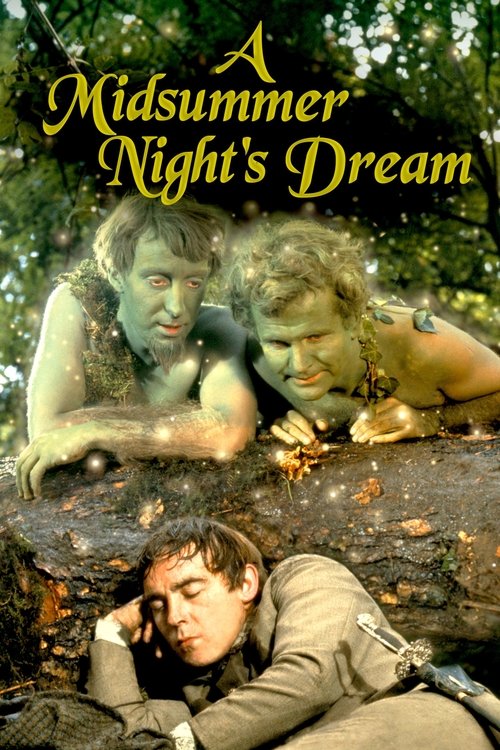
1968

1935
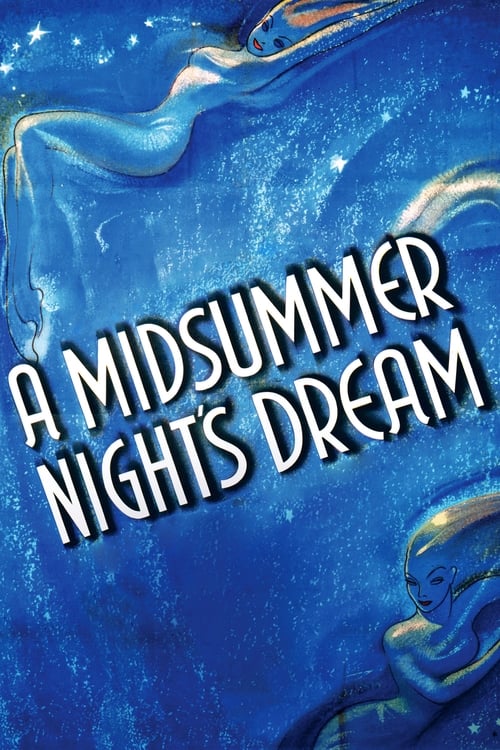
1935
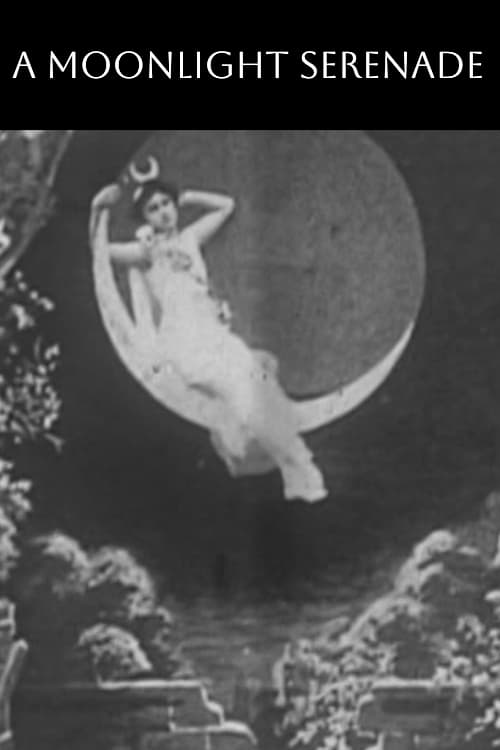
1903
No reviews yet. Be the first to share your thoughts on this movie!
Use the rating form above to leave a star rating and optional review.