Sylvia and the Ghost
1946
No user ratings available yet
Representation score: 4.7 out of 10
Representation Score
Minimal
1935
ApprovedDirector
William Dieterle, Max Reinhardt
Runtime
143 minutes
Average Rating
No ratings yetNew Showbiz Analysis
This production is a traditionalist adaptation of Shakespeare, emphasizing aesthetic grandeur and faithfulness to the original text. It reflects the period-specific cinematic values of 1935, focusing on classical theatrical clichés rather than modern narrative techniques. The film presents a world governed by conventional social structures and traditional courtship rituals. Female characters have substantial dialogue and drive central conflicts, but their power remains tied to their relationships with men. The narrative does not aim to challenge established norms or offer a diverse perspective.
Category Breakdown
The film follows traditional heterosexual relationships and does not include any queer subtext or non-straight gender identities.
Female characters such as Hermia and Helena play key roles in the interpersonal conflicts, but their influence remains tied to their relationships with men.
The casting is uniform and reflects the Eurocentric theatrical standards of the time. The production presents a single cultural perspective of ancient Athens.
The film adheres to a classical mythological framework, reinforcing traditional social orders without critiquing Western institutions or social hierarchies.
There are no prominent depictions of disabilities. Characters are defined by their social status and romantic roles.
Present on Screen
Limited or Absent
Official Synopsis
Mistaken identity, unrequited love, and the supernatural are combined in Shakespeare's classic set in the woods of Greece on a moonlit night.
1946
1999
1981
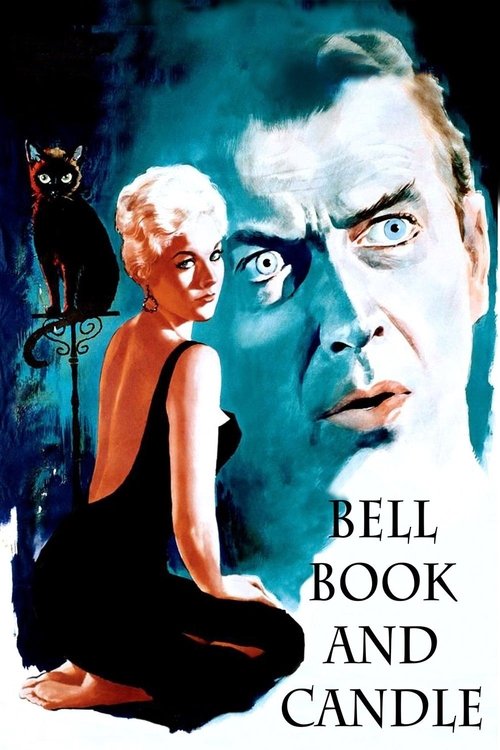
1958
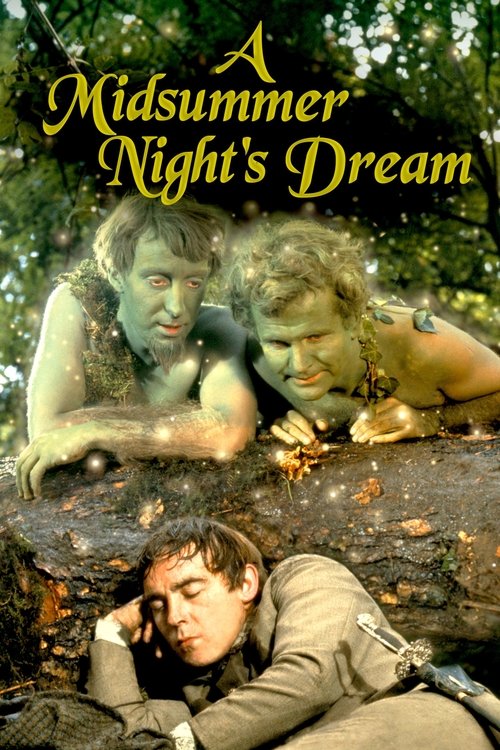
1968
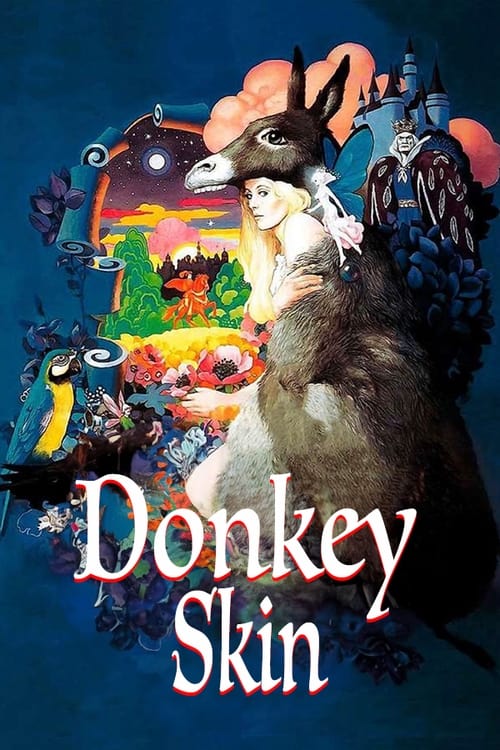
1970
1908
1982
No reviews yet. Be the first to share your thoughts on this movie!
Use the rating form above to leave a star rating and optional review.