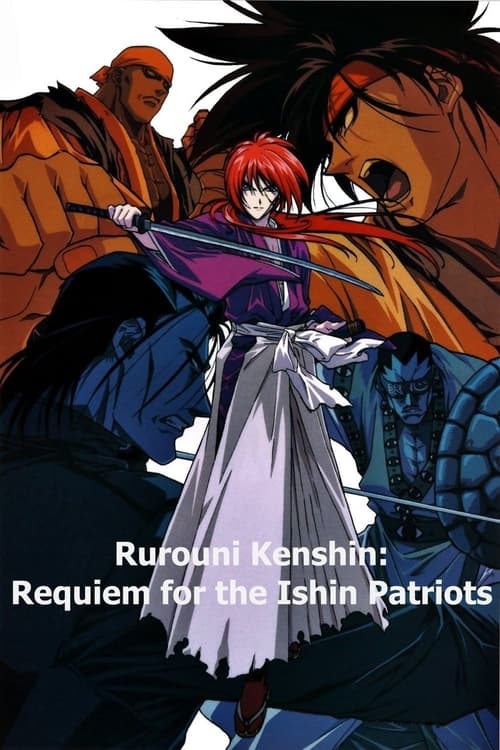
Samurai X: The Motion Picture
1997
No user ratings available yet
Representation score: 6.4 out of 10
Representation Score
Good
2001
Director
Kanji Wakabayashi
Runtime
45 minutes
Average Rating
No ratings yetNew Showbiz Analysis
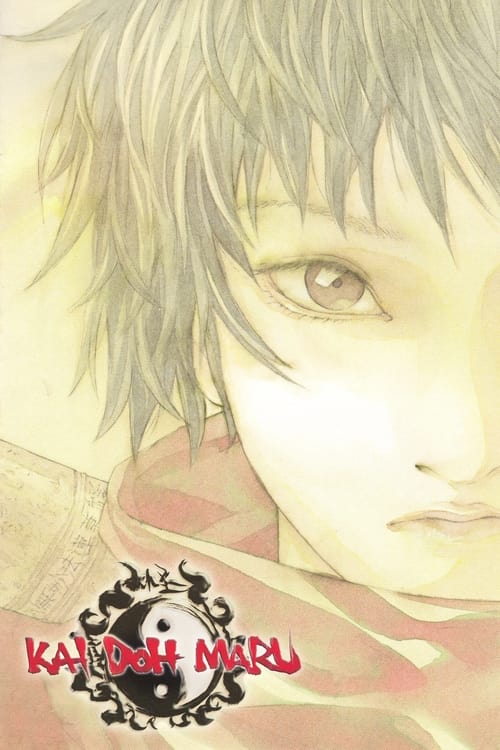
Kai Doh Maru stands out for its subversion of gendered expectations. By centering a female protagonist who adopts a masculine persona to achieve social and physical competence, the film challenges traditional roles. The narrative moves beyond simple clichés, offering a complex look at identity and ability to act. While the cast is ethnically homogeneous, the setting provides an authentic, non-Western exploration of power dynamics. Ultimately, the film's strength lies in its refusal to rely on submissive feminine archetypes, instead presenting a protagonist defined by her skill and survival.
Category Breakdown
The main character navigates the world through a non-traditional gender presentation, having been raised as a boy to survive a martial environment. This disrupts conventional gender binaries and explores identity fluidity.
The film transforms a victim of violence into a skilled samurai, subverting the damsel in distress cliché. The protagonist demonstrates superior ability to act and martial prowess within a male-dominated structure.
The production maintains a culturally specific Japanese setting and cast. It avoids whitewashing by providing deep immersion into a specific cultural history and localized social structures.
The narrative explores the corruption of hereditary rule and political factions. While it centers on individual ability to act, it remains grounded in traditional martial honor codes.
There are no prominent depictions of physical or neurodivergent disabilities that serve as central narrative drivers.
Present on Screen
Limited or Absent
Official Synopsis
The battle for the Capital city of Kyo rages as warring political factions vie for power against hereditary rulers. After the murder of her parents at the hands of her seditious uncle, a young girl named Kintoki flees to the mountains to lead a harsh life; she is renamed Kai Doh Maru by the local villagers. Rescued by Raiko, the Captain of 'The Four Knights' - honorable defenders who protect the peace of the city, she is raised within their group as a boy. Living among the Knights, she learns the practices of martial arts and develops into a skillful samurai, becoming a permanent member of their team. Now, as a young woman of seventeen, she begins to discover new feelings of passion and love for Raiko... but she also discovers that these new emotions cause a storm of jealousy and rage in another woman linked to her past.
1997

1993

2021

2009

2021
2013

1995

2011
No reviews yet. Be the first to share your thoughts on this movie!
Use the rating form above to leave a star rating and optional review.