
Confession
1968
No user ratings available yet
Representation score: 2.1 out of 10
Representation Score
Minimal
1978
Director
Toshiya Fujita
Runtime
99 minutes
Average Rating
No ratings yetNew Showbiz Analysis
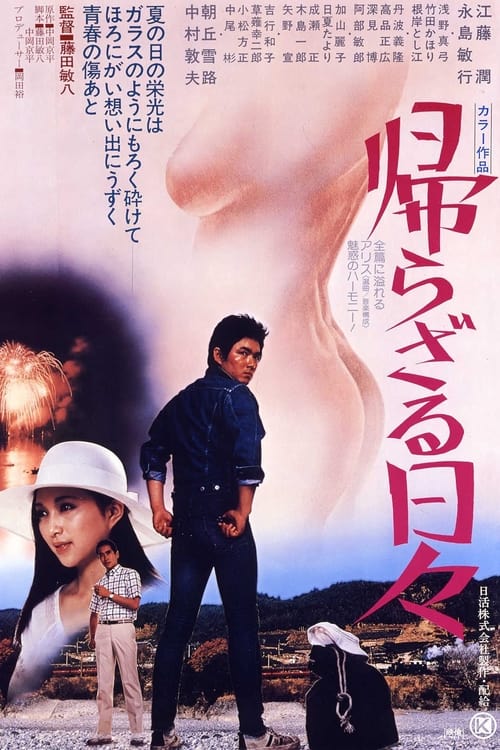
The Days of No Return is a character study centered on themes of grief and the transition from urban to rural life. The narrative structure follows a traditional coming-of-age arc triggered by a patriarchal loss. Because the film focuses on a singular protagonist's journey within a standard societal framework, it lacks the complexity to challenge established social or gender hierarchies. The storytelling remains rooted in conventional dramatic realism. Ultimately, the film prioritizes traditional narrative arcs of mourning and familial duty over diverse or subversive representation.
Category Breakdown
The film does not include any characters with LGBTQ identities. The story focuses solely on a traditional family structure.
The story centers around a male protagonist navigating a patriarchal milestone. It adheres to conventional masculine-centric storytelling without giving women significant roles.
As a Japanese production, the film reflects a homogeneous cultural context. It does not utilize diverse casting to disrupt established social norms.
The plot reinforces traditional values like filial piety and the sanctity of the family unit. It leans toward preserving traditional social bonds.
There is no information available regarding the depiction of physical or neurodivergent characters.
Present on Screen
Limited or Absent
Official Synopsis
The story of a high school boy (Toshiyuki Nagashima) in Tokyo returning to his home town of Nagano upon the death of his father.
1968

1998
2007

1983

2000
1983

1985

1995
No reviews yet. Be the first to share your thoughts on this movie!
Use the rating form above to leave a star rating and optional review.